What Does It Mean When a Kitten Purrs? 7 Surprising Reasons Explained
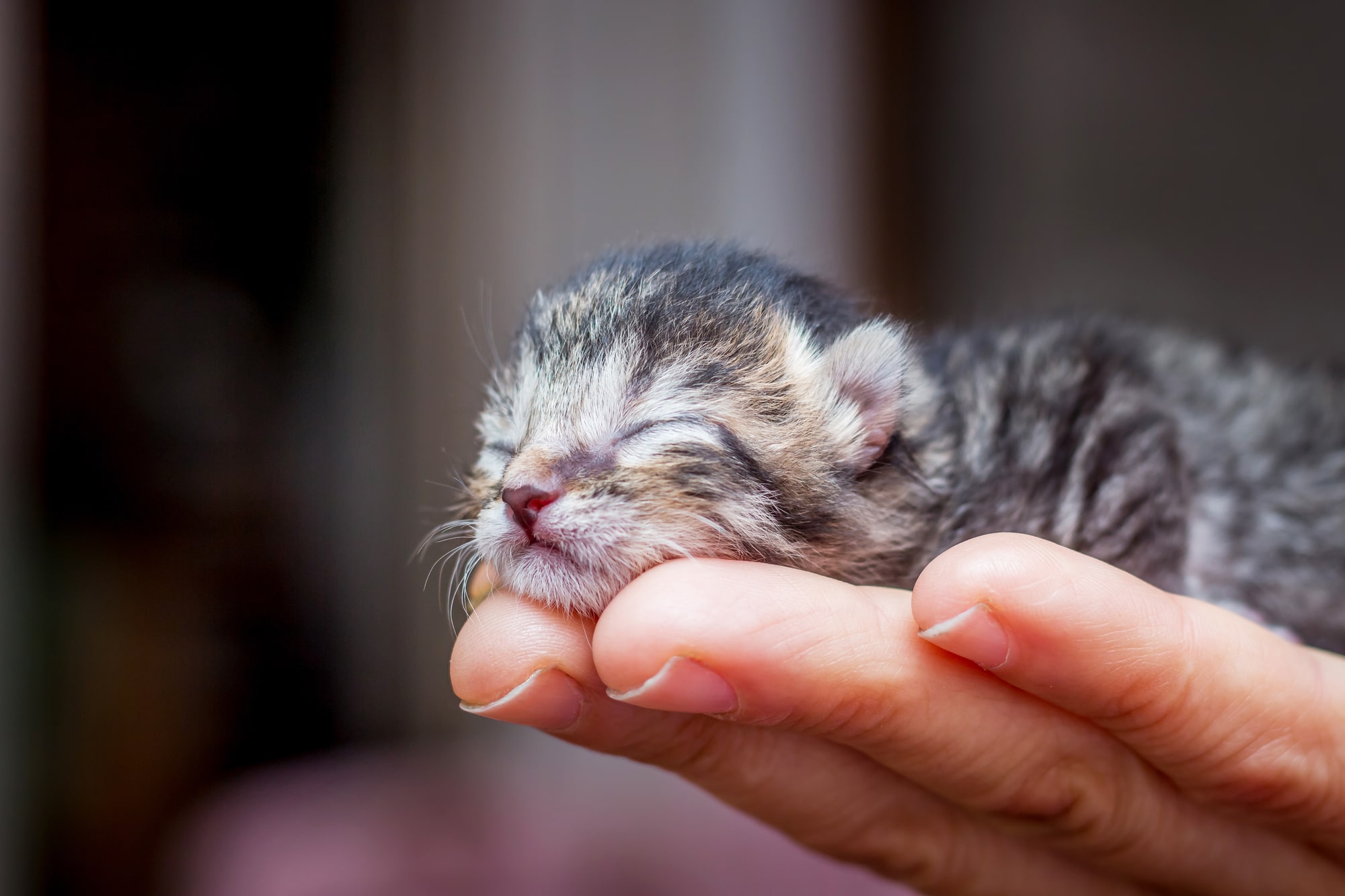
Table of Contents
The first time I heard a kitten purr — really heard it, with my hand resting on a tiny ribcage vibrating like a small engine — I assumed it was simply happiness. A few years and several cats later, I understand it’s considerably more nuanced than that. Purring is one of the most misunderstood forms of feline communication, and what does it mean when a kitten purrs is a question with more than one answer.
Here’s what the science and years of cat ownership actually tell us.
How kittens purr — the mechanics
Before getting to meaning, a quick note on mechanism. A purr is produced by rapid contractions of the muscles in the larynx (voice box), which dilate and constrict the glottis — the opening between the vocal folds — about 20 to 40 times per second. This happens during both inhalation and exhalation, which is why purring sounds continuous rather than intermittent.
Kittens can begin purring as early as two days old — before their eyes and ears have even opened. The vibration of a purr is detectable before vision or hearing develops, making it one of the earliest forms of communication between a kitten and its mother.
What does it mean when a kitten purrs: 7 real reasons
1. Contentment and happiness
This is the most common reason and what most people assume purring means. When a kitten purrs while being held, stroked, or curled up in a warm comfortable spot, the purring almost certainly signals contentment. The body language context confirms it: relaxed posture, slow blinking eyes, kneading paws, tail loosely wrapped.
This is the purr that rewards the owner — it means you’re doing everything right and your kitten feels safe with you.
2. Communication with their mother
In the early weeks of life, a kitten’s purr serves a specific communication function with its mother. Because newborn kittens cannot meow while nursing (they would aspirate milk), they purr continuously during feeding — giving the mother constant audio and vibrational feedback that the kitten is present and nursing. The mother purrs back, creating a mutual loop of reassurance.
Some researchers believe the mother cat also used purring to keep very young kittens — who are born blind and deaf — located and calm in the nest.
3. Self-soothing during stress or discomfort
This is the most surprising thing most cat owners don’t know: kittens (and cats) purr when they are stressed, unwell, or in pain. The purr in these situations is a self-soothing mechanism — not a signal to you that everything is fine.
A kitten at the vet, a kitten in an unfamiliar environment, or a kitten that has been separated from its littermates may purr persistently. The body language tells the real story: if the kitten is crouched low, ears back, eyes wide, and purring — that’s a stressed purr, not a happy one.
4. Solicitation — asking for something
Scientists have identified a specific type of purr — the “solicitation purr” — that cats and kittens use when they want something, most commonly food. This purr is distinct from contentment purring: it’s slightly higher-pitched and contains a component that sounds almost like a cry or a meow embedded within the purr.
Research published by the University of Sussex found that humans — even those who don’t own cats — rated solicitation purrs as more urgent and harder to ignore than regular purring. This appears to be a deliberately evolved communication strategy, tapping into human sensitivity to infant-like distress signals.
If your kitten’s purring sounds slightly different when they’re circling their empty food bowl, you’re hearing the solicitation purr.
5. Healing and pain management
One of the most remarkable findings about purring is that it may have genuine physiological benefits. Cat purrs vibrate at frequencies between 25 and 150 Hz — a range shown in research to promote bone density, wound healing, and pain reduction.
This may explain why cats and kittens purr when injured or unwell: the purring may serve a therapeutic function, essentially a biological self-healing mechanism. Cats are also known to purr during labor and when dying — extreme physical stress contexts where self-soothing and pain management make biological sense.
6. Greeting and social bonding
Kittens use a specific vocalization — sometimes described as a “trill” or a “purr-meow” hybrid — as a greeting sound, directed both at their mother and at familiar humans. If your kitten purrs and trills when you enter a room or when you return home, that’s a social greeting — an expression of recognition and affection.
This sound is distinct from regular purring in that it tends to be shorter, higher-pitched, and more syllabic. It’s one of the clearest positive signals in a kitten’s vocal repertoire.
7. Falling asleep or winding down
Many kittens purr as they transition from active play or feeding into sleep. The purring decreases gradually in volume as the kitten relaxes and becomes quieter as sleep deepens. This is analogous to a child humming to themselves as they settle — a self-regulation behavior that supports the transition from aroused to calm.
How to tell what a kitten’s purring means: read the body language
The purr sound alone doesn’t tell you the whole story. Read these alongside it:
| Body language | Purr meaning |
|---|---|
| Relaxed posture, slow blink, kneading | Contentment, happiness |
| Crouched, ears back, wide eyes | Stress, fear, discomfort |
| Approaching with tail up, trilling | Greeting, affection |
| Circling food bowl, slightly different pitch | Solicitation (wants food) |
| In pain or at vet, still purring | Self-soothing |
| Winding down after play, decreasing volume | Falling asleep |
When purring might mean something is wrong
A kitten that purrs persistently alongside other concerning signs — not eating, lethargy, unusual breathing, visible distress, hiding — should be seen by a vet. Purring in these contexts is self-soothing, not reassurance that the kitten is fine.
Similarly, a change in purring pattern — a cat that used to purr readily and has stopped entirely — can indicate pain, anxiety, or illness. The absence of purring in a normally purring cat is sometimes more telling than the presence of it.
The bottom line
What does it mean when a kitten purrs depends entirely on context. Most of the time — particularly when you’re cuddling or playing — it means contentment and affection. But purring is a multi-purpose vocalization that also signals stress, solicitation, self-healing, and social greeting depending on what’s happening around it.
Reading the body language alongside the purr gives you the full picture.
For more on understanding kitten communication and behavior, see our guides on how to train a kitten, why is my kitten so hyper, and complete cat behavior guide. PetMD’s overview of why cats purr and the Cornell Feline Health Center are both excellent further resources.
Michael Burrows has owned cats his entire life and writes about feline behavior and communication from personal experience and research. This content is educational only.