Helpful Puppy Grooming Tips: 9 Essential Things Every Owner Should Do
The single best thing I ever did for one of my dogs from a grooming perspective was start handling her paws and mouth from the day she came home. She was eight weeks old. She had no concept of nail trims or tooth brushing. But by the time she needed them, she’d been touched in those areas hundreds of times under positive circumstances — and grooming was never a battle.
Helpful puppy grooming tips start with that insight: grooming is easier when it’s familiar, and the best time to make it familiar is before it’s necessary.
Why starting puppy grooming early matters
Grooming-related fear and resistance in adult dogs is almost always traceable to insufficient handling during puppyhood. Adult dogs that fight nail trims, resist baths, or can’t be brushed without a struggle are not bad dogs — they’re dogs that weren’t gradually desensitized to those experiences when the exposure would have been easy.
Helpful puppy grooming tips are really grooming preparation tips: getting the puppy comfortable with being handled before the grooming becomes medically necessary.
Helpful puppy grooming tips: 9 essential things to do
1. Handle paws, ears, and mouth daily from week one
Before you ever pick up a brush or nail clipper, establish a daily handling routine. Each session takes 2–3 minutes:
- Touch and hold each paw, gently pressing pads and individual toes
- Lift and look in each ear
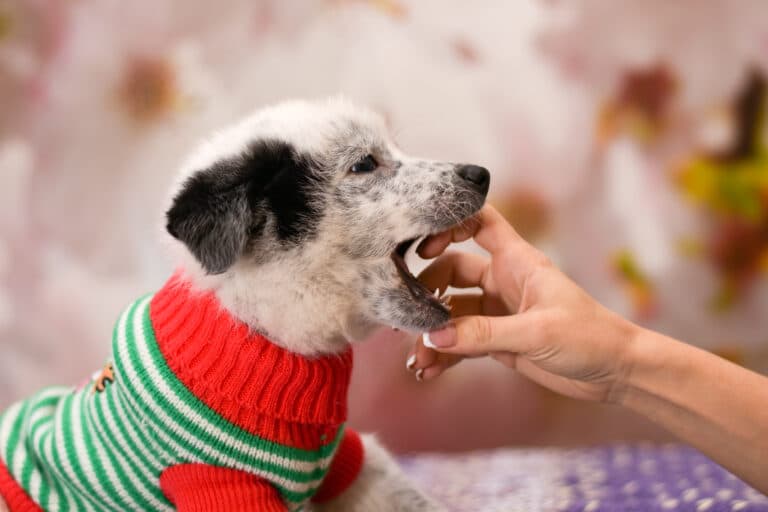
- Touch the muzzle, lift lips, touch teeth
- Pair every touch with a treat or calm praise
This builds the foundation for all future grooming. A puppy that is comfortable being touched anywhere can be groomed anywhere.
2. Introduce the brush before the coat needs it
Show the puppy the brush, let them sniff it, then gently stroke them with it while providing treats. The first few sessions are about making the brush familiar and positive, not about actually grooming. Progress gradually to longer brush strokes and more body coverage over several sessions.
Match the brush to the coat:
- Short coats: rubber curry comb or soft bristle brush
- Medium coats: slicker brush
- Long coats: slicker brush + wide-tooth comb + undercoat rake
3. Introduce nail trimming incrementally
Nail trims are the grooming task most commonly feared — by both dogs and owners. The incremental approach:
- Day 1–3: touch paws and hold while providing treats, no clippers
- Day 4–7: show clipper, let puppy sniff it, touch it to a paw without clipping
- Week 2: clip one nail. Treat generously. End session.
- Week 3+: clip 2–3 nails per session, gradually building to a full trim
Trim only the tip — staying well clear of the quick (the pink blood vessel visible in light-colored nails). If you’re uncertain, your vet or a groomer can show you the angle.
If the quick is cut accidentally: apply styptic powder or cornstarch and press firmly for 30 seconds. Remain calm — your reaction matters.
4. Make the first baths positive
The first bath experience shapes the dog’s relationship with bathing for life. Do it right:
- Use lukewarm water — not too cold, not too hot
- Place a non-slip mat in the tub or sink
- Use a puppy-safe, tearless shampoo
- Keep it short — 5 minutes maximum initially
- Reward throughout with treats and calm praise
- Dry thoroughly, especially in ears, to prevent infection
Avoid getting water in the ears — use cotton balls gently in the ear openings during bathing.
5. Brush teeth from puppyhood
Dental disease is the most common health condition in adult dogs and the most preventable with early toothbrushing. Start with your finger wrapped in gauze, applying pet-safe toothpaste (never human toothpaste — xylitol is toxic to dogs). Progress to a finger brush, then a soft-bristled dog toothbrush as the puppy becomes comfortable.
Brush daily if possible, 3–4 times weekly at minimum. The flavored enzymatic toothpastes available at pet stores make this significantly more tolerated.
6. Clean ears regularly
Check ears weekly and clean when there’s visible dirt or mild wax buildup. Use a veterinarian-approved ear cleaner on a cotton ball — never cotton swabs, and never insert anything into the ear canal.
Signs an ear needs veterinary attention rather than home cleaning: redness, swelling, strong odor, discharge, or the dog shaking its head and scratching persistently.
7. Clean eye area as needed
Some breeds accumulate tear staining or discharge in the corners of the eyes. Wipe gently with a damp cotton ball, always wiping away from the eye, never across it. Never use human eye products on dogs without veterinary direction.
8. Establish a regular grooming schedule
Consistency makes grooming easier over time. Even if a session isn’t “due” in terms of dirt or coat length, brief weekly handling sessions maintain the puppy’s comfort with being groomed and prevent the over-reactivity that develops when grooming only happens infrequently and intensively.
9. Consider professional grooming as a positive experience
If your breed requires professional grooming, introduce the groomer positively before the first official appointment. Visit the salon just to say hello and receive treats, with no actual grooming. This separates the location from the grooming event and makes the first real appointment significantly less stressful.
For more on puppy care, see our guides on how to make a puppy stop biting, how much exercise do puppies need, and tips for adopting a dog from a shelter. Puppies: the Ultimate Guide to Ownership is an excellent further reference.
Michael Burrows has owned dogs for over 15 years and writes about puppy care from personal experience and research. Educational content only.