How to Prevent Cat Hairballs: 9 Smart Expert Tips for a Happier Cat
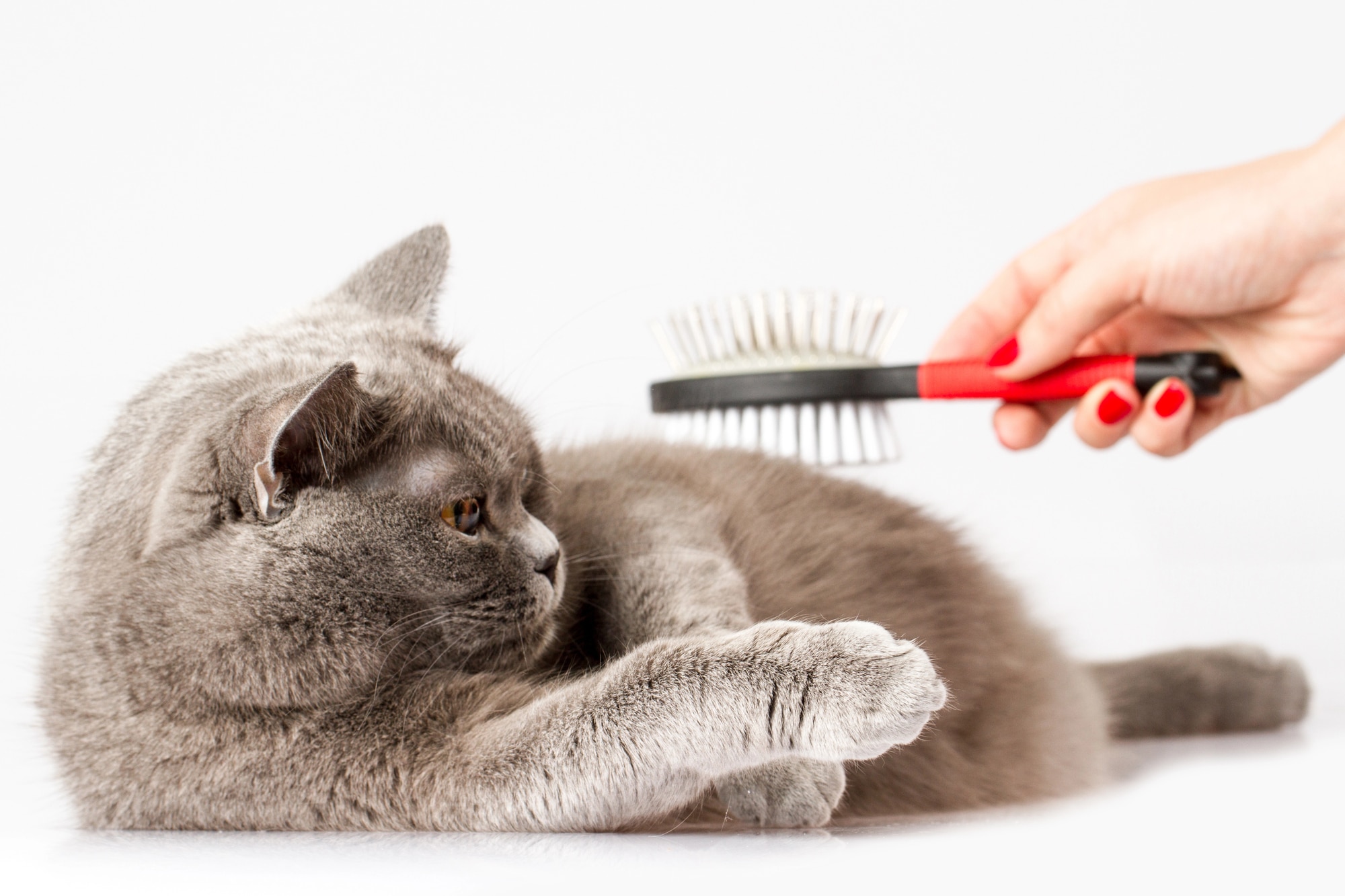
Table of Contents
Hairballs are one of those cat ownership realities nobody prepares you for. The first time one of my cats produced that distinctive retching sound at 2am, I genuinely thought something was seriously wrong. It wasn’t — but it wasn’t nothing either. After years of living with cats, I’ve learned that while you can’t eliminate hairballs entirely, you can dramatically reduce their frequency with the right combination of grooming, diet, and a couple of less-obvious tricks most guides don’t mention.
How to prevent cat hairballs starts with understanding why they form. Cats groom themselves constantly, and their backward-facing barbed tongues trap loose fur that gets swallowed. Most of it passes through the digestive system normally. The hair that doesn’t — particularly in long-haired cats or heavy shedders — accumulates in the stomach and forms the compact, tubular mass that eventually gets expelled.
Occasional hairballs — once or twice a month — are normal in most cats. Frequent hairballs (more than once a week), persistent retching without producing a hairball, loss of appetite, constipation, or lethargy alongside hairballs warrant a vet visit to rule out an underlying gastrointestinal issue.
How to prevent cat hairballs: 9 proven tips
1. Brush your cat regularly — this is the single most effective prevention
How to prevent cat hairballs starts here. Every hair you remove through brushing is a hair your cat doesn’t swallow during grooming. For short-haired cats, 2–3 sessions per week is sufficient. For long-haired cats or heavy shedders, daily brushing makes a meaningful difference.
The tools matter:
- Slicker brush — works through the outer coat and removes loose surface fur
- Undercoat rake or deshedding tool (like a Furminator) — reaches the dense undercoat where the most loose hair accumulates
- Grooming glove — useful for cats that resist traditional brushes; feels like petting to the cat
Brush more during seasonal coat blowouts — spring and fall — when shedding volume increases significantly. This is when hairball frequency typically peaks for most cats.
2. Switch to a hairball control diet
Hairball control cat foods are formulated with higher fiber content — typically from sources like beet pulp, cellulose, or psyllium husk — that help move ingested hair through the digestive tract rather than allowing it to accumulate in the stomach.
These diets work best as a preventive measure rather than a treatment for a cat already producing frequent hairballs. Look for hairball formulas from reputable brands that list the fiber sources specifically, rather than vague “hairball formula” labeling.
If your cat is on a prescription or medical diet, check with your vet before switching.
3. Add a hairball lubricant or gel
Hairball gels — Laxatone is the most commonly veterinarian-recommended brand — act as intestinal lubricants that help hair move through the GI tract rather than accumulating. Given 2–3 times per week as a preventive measure, they significantly reduce hairball frequency in cats prone to them.
Most are flavored and cats will lick them directly from your finger or the tube. For cats that resist gels, some petroleum-free, fiber-based alternatives like pumpkin puree (plain, not pie filling) offer similar benefits more palatably.
Note: daily use of petroleum-based gels long-term can interfere with fat-soluble vitamin absorption — use as directed, not more.
4. Increase hydration
A well-hydrated digestive system moves hair through more efficiently. Dehydration slows gut motility, which is a significant contributor to hairball formation.
Practical ways to increase your cat’s water intake:
- Add wet food to the diet or switch to primarily wet food — cats on wet food diets have significantly better hydration than kibble-only cats
- Use a cat water fountain — running water is more attractive to most cats than still water
- Place multiple water sources around the house, away from food and litter boxes
5. Discourage excessive grooming
Cats that over-groom — spending significantly more time than normal licking themselves — ingest dramatically more hair and are prone to more frequent hairballs. Over-grooming can be driven by boredom, stress, skin conditions, or allergies.
If your cat seems to groom compulsively or has areas of thinning fur or skin irritation, a vet check is warranted to rule out allergies, parasites, or anxiety-related grooming.
For cats that groom excessively out of boredom, environmental enrichment — interactive toys, puzzle feeders, play sessions — addresses the underlying cause.
6. Add fiber to the diet
Beyond commercial hairball diets, adding fiber to your cat’s current diet can improve gut motility and reduce hairball frequency. Options:
- Plain canned pumpkin (not pie filling) — most cats tolerate it when mixed into wet food; 1–2 teaspoons per day is typical
- Psyllium husk — fiber supplement that can be mixed into food in small amounts
- Wheat grass or cat grass — many cats instinctively eat grass; it provides fiber and supports digestion
Always introduce dietary additions gradually and confirm amounts with your vet, particularly if your cat has any existing health conditions.
7. Schedule professional grooming for long-haired cats
For Persian, Maine Coon, Ragdoll, and other long-haired breeds, professional grooming every 6–8 weeks can remove significantly more undercoat than home brushing alone. A professional de-shed treatment removes the loose undercoat with specialist tools and technique, reducing shedding volume — and therefore ingested hair volume — for weeks afterward.
Some long-haired cats in warmer climates also do well with a “lion cut” — a short all-over trim — that dramatically reduces grooming-related hair ingestion.
8. Digestive enzymes and probiotics
Some vets and integrative practitioners recommend digestive enzyme supplements or probiotics to improve gut motility in hairball-prone cats. The evidence is less established than for fiber and lubrication approaches, but for cats with persistent hairball problems despite standard prevention, these are worth discussing with your vet.
9. Annual vet check to monitor gut health
Frequent hairballs are sometimes a symptom of an underlying issue rather than just a grooming problem. Inflammatory bowel disease, hyperthyroidism, intestinal parasites, and food sensitivities can all contribute to hairball frequency by affecting gut motility or coat condition.
If your cat’s hairball frequency increases despite consistent prevention efforts, a vet check including bloodwork and potentially imaging can rule out GI issues that need direct treatment.
What’s normal vs what’s not
Normal:
- Occasional hairball once or twice a month
- Brief retching that produces a hairball and stops
- Cat returns to normal behavior immediately after
See a vet if:
- Your cat retches or gags repeatedly without producing anything
- Hairballs more than once a week despite prevention efforts
- Loss of appetite alongside hairball episodes
- Constipation or lethargy
- Distended abdomen
A hairball that can’t be expelled can cause intestinal blockage — a genuine emergency requiring veterinary treatment.
The bottom line on how to prevent cat hairballs
How to prevent cat hairballs effectively combines regular brushing, adequate hydration, a fiber-rich or hairball-control diet, and periodic use of a hairball lubricant. No single approach eliminates them entirely, but combining three or four of the above consistently makes a meaningful difference in frequency and severity.
For long-haired cats, brushing and professional grooming carry the most weight. For cats with persistent hairballs despite good grooming, dietary and digestive approaches are the next step.
For more on cat health and grooming, see our guides on alternatives to brushing cats teeth, why cats shed so much, and complete cat behavior guide. The Cornell Feline Health Center’s overview of hairballs is also an excellent reference.
Michael Burrows has owned cats his entire life and writes about feline health and care from personal experience and research. This content is educational — consult your vet for persistent hairball issues.