Why Do Australian Shepherds Wiggle? 6 Surprising Reasons Explained
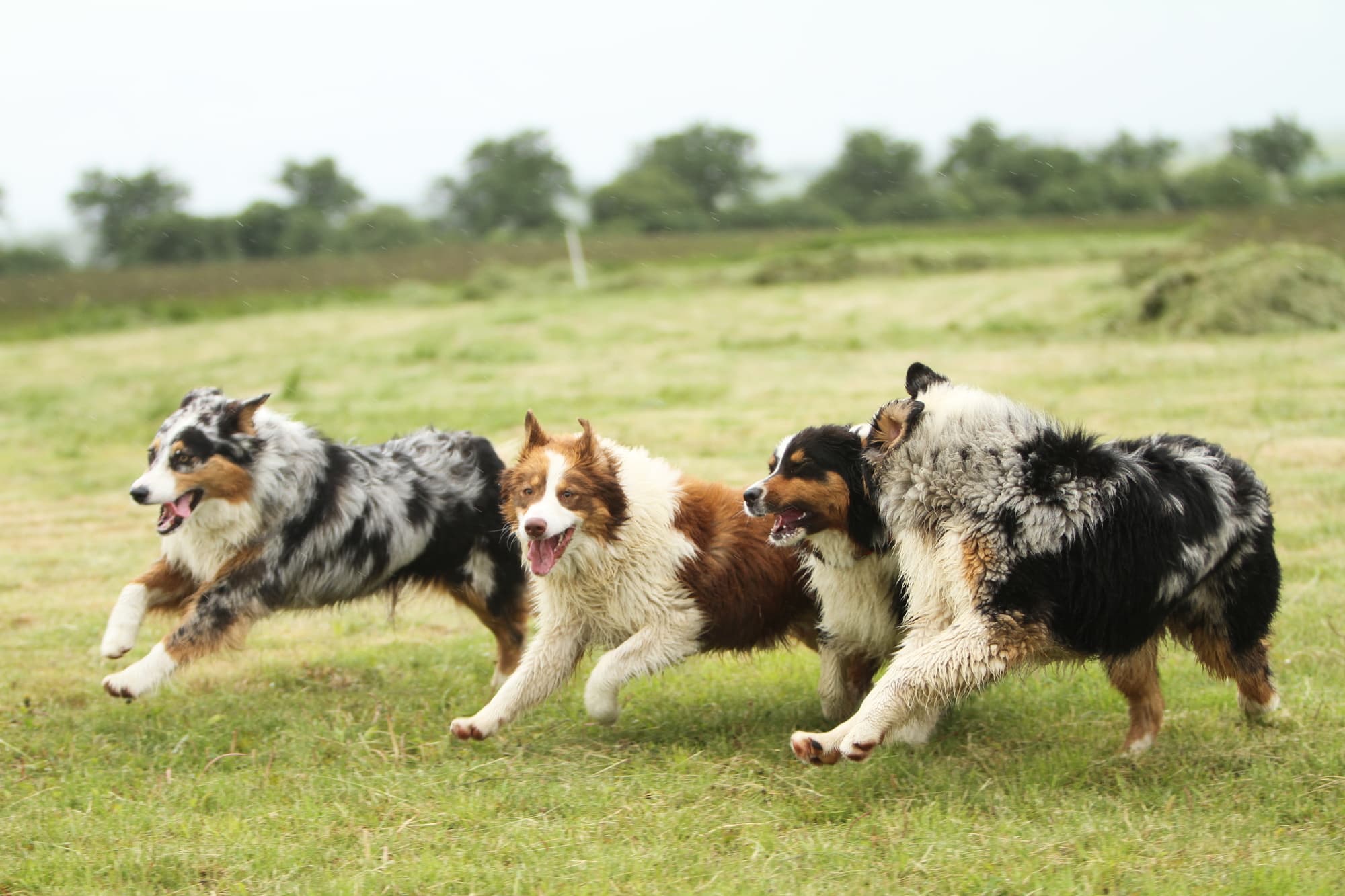
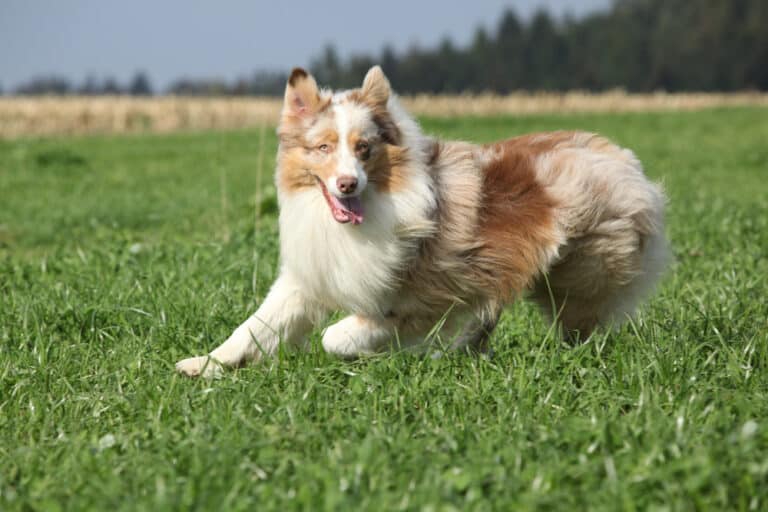
If you’ve ever watched an Australian Shepherd greet their owner after even a 20-minute absence, you’ve seen the wiggle. The whole back end oscillates independently of the front. The tail (or stub, depending on whether it was docked) works overtime. The dog’s enthusiasm physically exceeds what their body seems designed to express.
Why do Australian Shepherds wiggle is a question that sounds simple but has several distinct answers depending on the context — and one of those answers is particularly interesting from a breed history perspective.
Why do Australian Shepherds wiggle: 6 real reasons
1. Whole-body enthusiasm — they feel things intensely
Australian Shepherds are a high-energy, high-emotion breed. When they feel something — joy, excitement, anticipation — they feel it with their entire body. The wiggle is essentially emotional overflow: the dog’s enthusiasm exceeds what a tail wag can express, so the whole rear end gets involved.
This is particularly visible during greetings because reunion after separation is one of the most emotionally significant events in a dog’s day. Aussies are intensely bonded to their owners and express that bond physically.
2. Natural bobtail genetics — some Aussies are born to wiggle
Australian Shepherds are one of a handful of breeds that carry a natural bobtail gene. Dogs born with a shortened or absent tail still have all the neurological pathways for tail wagging — but with no tail (or a very short one) to express it, the wiggling motion distributes to the entire rear end.
Natural bobtails in Aussies are more common than most owners realize, and the genetic short tail wiggles more visibly than a full tail because the motion isn’t being expressed through a long lever. The whole rear end becomes the tail.
3. Communication and appeasement signals
Dogs use body wiggles as appeasement and submissive signals — a way of communicating “I’m friendly, I’m not a threat, I’m happy to see you.” In social interactions with both humans and other dogs, wiggling signals non-threatening intentions and invites engagement.
Aussies, who are naturally somewhat reserved with strangers but intensely bonded with their family, often deploy the wiggle specifically with people they know and trust. It’s a relationship-specific behavior — a dog showing you exactly how it feels about you.
4. Herding breed expressiveness
Herding breeds in general tend to be more physically expressive than many other breed groups. The nature of herding work required constant communication between dog and handler — subtle body language, eye contact, positional cues. This expressiveness doesn’t disappear indoors. Aussies communicate physically with their whole body as a result of generations of selection for handler-readable behavior.
5. Excitement and anticipation before something good
Australian Shepherds learn patterns quickly — the sound of a leash, the time of day a walk usually happens, the specific shoes you wear to the park versus work shoes. When the dog recognizes a cue that something good is coming, the anticipatory wiggle begins before the event actually starts.
This type of wiggle is often accompanied by focused attention on the cue item — the leash, the shoes, the door — and the whole-body movement intensifies as the anticipated event draws closer.
6. Reinforcement history — the wiggle works
If wiggling has historically produced petting, attention, play, and positive reactions from their owner, the dog has learned that wiggling is a successful social strategy. This is learned behavior layered on top of the natural instinct — and it reinforces and amplifies the natural wiggle over time.
Is wiggling ever a concern?
In the vast majority of cases, wiggling is a healthy, happy, normal Australian Shepherd behavior. However:
- Wiggling accompanied by submissive urination (small amount of urine when greeting) is common in young or anxious Aussies and typically resolves with age and calm greetings
- Excessive anxiety-driven movement — if the wiggling is accompanied by panting, pacing, and inability to settle, it may reflect anxiety rather than joy
- Compulsive tail or rear-end chasing is a different behavior and can sometimes indicate OCD-like behavior, particularly in under-stimulated herding breeds
If the wiggling seems distressed rather than joyful, the context and accompanying signals will tell you which you’re dealing with.
The bottom line
Why do Australian Shepherds wiggle comes down to a combination of breed expressiveness, genetic tail structure, intense emotional bonding, herding breed communication style, and learned reinforcement. It’s one of the breed’s most endearing characteristics — and an honest expression of exactly how much they feel about the people they love.
For more on the Australian Shepherd, see our guides on are Australian Shepherds aggressive, do Australian Shepherds shed, and the main Australian Shepherd breed guide. The AKC’s Australian Shepherd page has excellent breed standard information.
Michael Burrows has owned dogs for over 15 years and writes about dog breeds and behavior from personal experience and research. Educational content only.