How to Stop an Australian Cattle Dog From Biting: 7 Proven Techniques
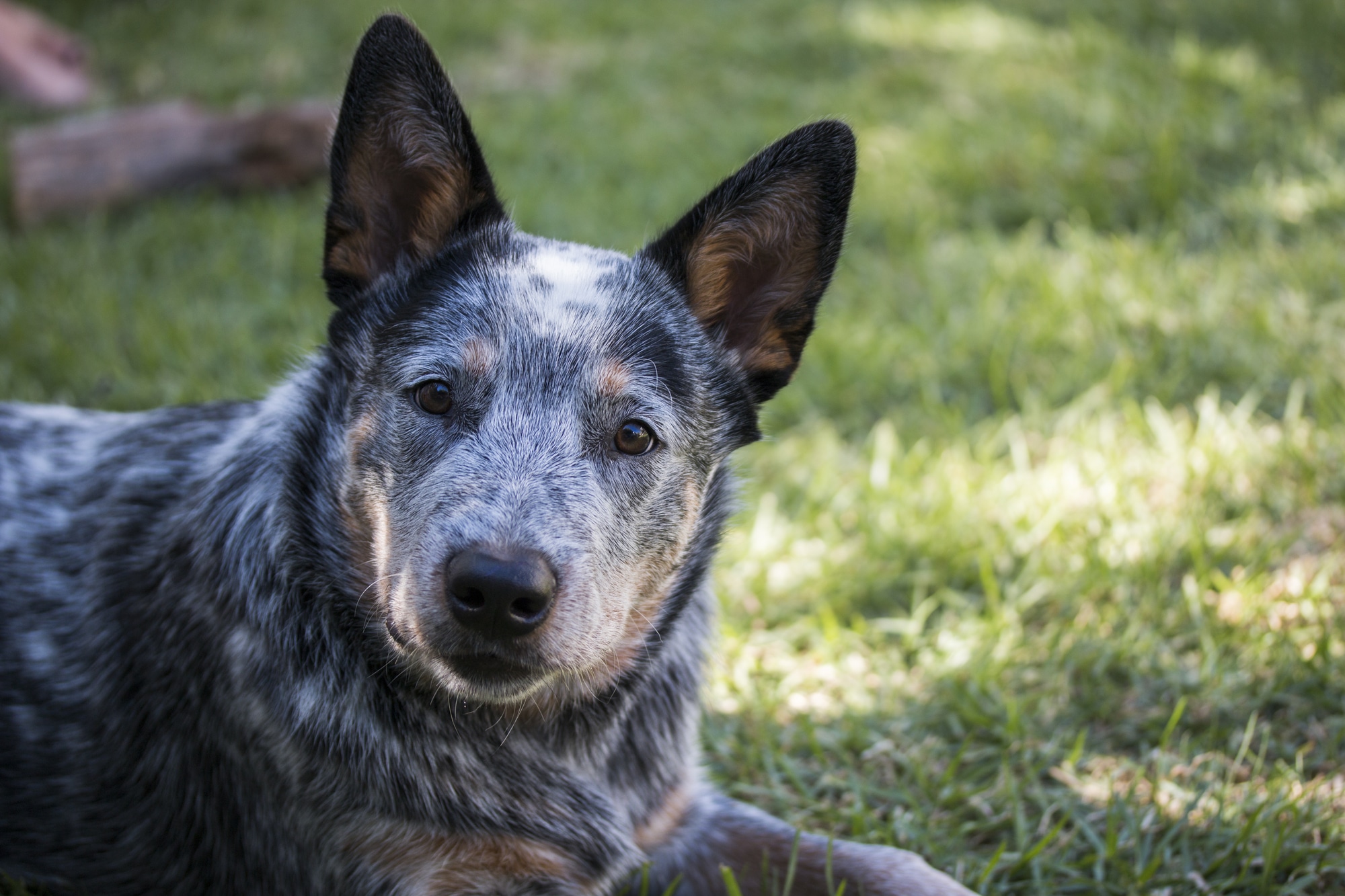
If you own an Australian Cattle Dog, you already know that biting isn’t a character flaw in this breed — it’s an engineering feature. ACDs were specifically bred to heel-nip cattle to move them across rough terrain. The bite is fast, controlled, and deliberate. The good news is that same deliberateness makes it trainable. The bad news is that approaches that work with other breeds often fail completely with an ACD.
How to stop an Australian Cattle Dog from biting requires understanding that you’re not dealing with aggression — you’re dealing with herding instinct misdirected at humans, children, and other pets. The fix is redirection and impulse control, not suppression.
This guide covers herding-related biting and nipping, which is the most common biting behavior in ACDs. If your ACD’s biting is accompanied by growling, stiff body posture, raised hackles, or whale eyes, that may indicate fear or stress-based aggression — consult a certified professional dog trainer or veterinary behaviorist.
Why ACDs bite differently — and why standard approaches fail
How to stop an Australian Cattle Dog from biting starts with understanding what’s driving it. Most puppy biting and play biting is motivated by teething discomfort, excitement, or rough play. ACD biting has a different origin: it’s a herding behavior sequence triggered by movement.
When a child runs, an adult jogs past, or another pet darts by, the ACD’s instinct activates: stalk, chase, circle, nip. The nip to the back of the heel is the mechanism by which cattle were moved. The dog dodges the retaliatory kick. Then does it again.
This is why standard “yelp and withdraw” approaches often fail with ACDs — the yelp can actually intensify the behavior because it mimics the sound of a startled animal, which reinforces the herding sequence. The withdrawal activates the chase instinct further.
How to stop an Australian Cattle Dog from biting: 7 techniques
1. Interrupt the herding sequence before the nip
The herding sequence has distinct phases: stalk → chase → circle → nip. You have a window to interrupt it before the bite happens.
Watch for the stalk — the low-headed, focused creep toward a moving target. The moment you see it, call the dog’s name and redirect immediately to a toy or a sit command. Interrupting the sequence at the stalking phase is dramatically more effective than correcting after the bite.
This requires being proactive and attentive, especially around children.
2. Teach and reinforce “leave it” as a non-negotiable command
“Leave it” is the most valuable command for ACD biting management. It means “disengage from that and redirect to me.” When trained reliably, it becomes a verbal interrupt for the herding sequence.
Training process:
- Hold a treat in a closed fist. When the dog stops pawing and looks away, reward from your other hand.
- Progress to treats on the floor, saying “leave it” when the dog approaches. Reward looking away.
- Generalize to moving targets in controlled settings before relying on it around children or other pets.
3. Redirect to a tug toy or flirt pole
ACDs need to chase, grab, and bite — the instinct doesn’t disappear through suppression. Give it a legal outlet. A flirt pole (a long pole with a rope and toy attached) allows the dog to chase, stalk, grab, and bite the toy — satisfying the herding drive without targeting humans.
Run intensive flirt pole sessions before any situation where biting is likely — visitors arriving, children playing. A dog that has discharged that drive is significantly less likely to redirect it onto people.
4. Teach children how not to trigger the behavior
Running, screaming, and chaotic movement are the most reliable ACD bite triggers. Teaching children in the household to:
- Avoid running away from the dog, especially when the dog is watching them
- Freeze if the dog starts to stalk or nip — movement away triggers the chase
- Not squeal or shriek when bitten — this reinforces the behavior
This doesn’t remove the training responsibility from the owner — it reduces the frequency of trigger situations while training progresses.
5. Build impulse control systematically
ACDs are capable of strong impulse control — the same intelligence that drives the herding behavior can be trained to pause before acting. Exercises that build this:
- Sit before everything: food, leash clipping, door opening, toy thrown
- Wait at doorways: the dog must hold a sit or down while the door opens
- Release to play: the toy only comes out when the dog is in a controlled sit
The more the dog practices pausing before reacting in low-stakes situations, the stronger the impulse control becomes in higher-stakes situations.
6. Management — never let children and ACDs interact unsupervised
No matter how well the training is progressing, an ACD and young children should not be in the same space without direct adult supervision. The herding instinct can activate faster than a child can react, and a well-intentioned ACD can injure a child without any aggressive intent.
Baby gates, tethering, and crate rotations are not punishment — they’re management of a working dog’s instincts while training is ongoing.
7. Exercise the herding instinct out
An under-exercised ACD with an unsatisfied herding drive bites more. Aggressive physical and mental exercise reduces the overall arousal level and depletes the energy available for herding behavior.
Specific activities that satisfy herding drive productively:
- Fetch and frisbee (chase and grab without human as target)
- Agility training (structured movement with the handler)
- Herding sports (if accessible — this is what they were bred for)
- Long trail runs with the owner
For more on ACD behavior and care, see our full guides on Australian Cattle Dog behavior issues, are Australian Cattle Dogs low maintenance, and Australian Cattle Dog exercise requirements. The AKC’s Australian Cattle Dog breed page also has excellent breed-specific information.
Michael Burrows has owned dogs for over 15 years and writes about dog training from personal experience and research. For serious aggression, consult a professional.