Food Aggression in Dogs: 7 Real Steps to Stop It (And What Never to Do)
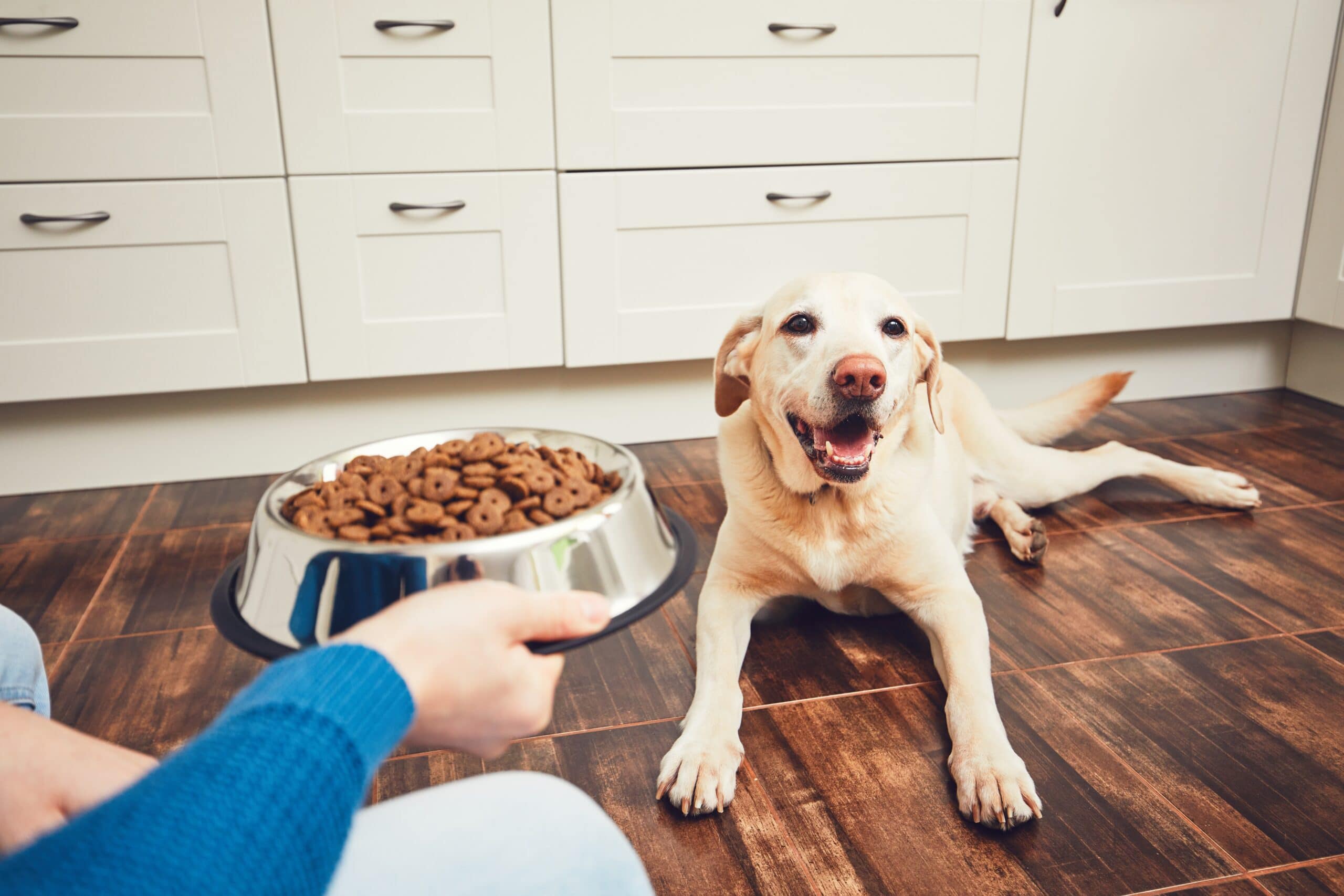
Table of Contents
I’ve seen food aggression in dogs that came from the best homes imaginable — patient owners, good food, plenty of attention. One friend’s Labrador, raised in a loving family from eight weeks old, started growling over his bowl at around five months. My friend’s first instinct was to dominate the situation — take the bowl away to show who was boss. That made things significantly worse within a week.
Food aggression in dogs is one of those behaviors that punishes misunderstanding fast. The instinct to “assert dominance” or punish the growl is almost always counterproductive. What actually works is counterintuitive to most people — and it’s rooted in changing what the dog thinks your approach to the food bowl means, not in suppressing the warning signs.
This post covers the full picture: what food aggression actually is, why it develops, how to read the warning signs before they escalate, and a specific step-by-step training approach that works for both puppies and adult dogs.
If your dog has already bitten someone over food, or if you have young children in the home with a food-aggressive dog, please consult a certified professional dog trainer or veterinary behaviorist before attempting any modification on your own. Severe cases need hands-on professional guidance.
What food aggression in dogs actually is
Food aggression in dogs is a form of resource guarding — the instinct to protect something valuable from perceived competition. It’s not spite, dominance, or disobedience. It’s anxiety expressing itself through aggression, and it traces directly back to survival instincts that served dogs’ ancestors well when food was scarce and competition was real.
The behavior exists on a spectrum:
Mild — the dog eats faster as you approach, hunches slightly over the bowl, or gives a low, brief growl. No snap, no lunge.
Moderate — sustained growling, raised hackles, teeth showing, snapping in your direction when you come near. The dog is escalating warnings.
Severe — lunging, biting, chasing away anyone who approaches the bowl. At this level, safety is the immediate priority before any training begins.
Knowing where your dog sits on the food aggression in dogs spectrum is the starting point for choosing the right approach. Mild guarding in an otherwise well-adjusted dog is very manageable with consistent counterconditioning. Severe aggression — especially in a dog that has already made contact — needs a professional.
Why food aggression in dogs develops
The causes fall into a few clear categories:
Early competition — Puppies raised in large litters fed from a communal bowl learn fast that hesitation means going hungry. The puppies who ate aggressively got more food. That lesson sticks, even after the competition is long gone. Research consistently identifies litter feeding as a primary driver of food guarding in young dogs.
Shelter or rescue background — Dogs who experienced genuine food scarcity — in shelters, on the street, or in neglectful situations — can develop food guarding even after years in a safe home. The insecurity about resources doesn’t simply evaporate with consistent meals.
Genetics — Some breeds and individual dogs are simply more prone to resource guarding than others. It’s part of their wiring, not a character flaw.
Medical causes — This one is underappreciated. Dogs with dental pain may growl when eating because the bowl contact hurts. Dogs with thyroid conditions, Cushing’s disease, or other metabolic issues that increase hunger can become suddenly more food-protective. If the aggression appeared recently in a dog that showed no previous signs, a vet check before any behavioral intervention is the right first move.
Misguided early handling — Well-intentioned owners who repeatedly take the food bowl away to “show the dog they can” or pet the dog mid-meal against the dog’s wishes often inadvertently create the problem they were trying to prevent. The dog learns that people approaching the bowl means something bad happens — and guards accordingly.
Reading the warning signs
Dogs almost always communicate before they escalate. The signs below run roughly from earliest to most serious:
- Eating faster as you approach
- Body stiffens, head lowers over the bowl
- “Whale eye” — showing the whites of the eyes while keeping the head down
- Ears back, hackles raised along the spine
- Lip lick or freeze
- Low growl
- Sustained growl, teeth showing
- Snap (no contact)
- Bite
Never punish the growl. A growling dog is communicating. If you suppress the growl through punishment, the dog doesn’t become less aggressive — it just stops warning you before it bites. The growl is information. Use it.
How to treat food aggression in dogs: The 7-step process
This is the method that works, and it works because it changes the emotional association rather than suppressing the behavior. The goal is to teach your dog that a human approaching the food bowl predicts something better, not something threatening.
Move through each step only when your dog is calm and relaxed at the current step for at least ten consecutive meals. Rushing this is the most common mistake.
Step 1 — Establish comfortable distance
Stand several feet from your dog while he eats. Don’t move toward the bowl. Don’t interact. Just be present nearby. Your dog should eat normally without any tension. Repeat for ten or more meals.
Step 2 — Walk past and add something good
Walk casually past the bowl and, as you pass, toss a high-value treat into it — something better than what’s already in the bowl. Walk away immediately after. You’re not lingering. You’re teaching: human nearby = something good appears. Repeat ten or more times.
Step 3 — Approach, talk, add treat, leave
Walk toward the bowl, speak calmly, drop a treat in, walk away. The talking matters — it helps your dog track your approach before you’re close. Aim for ten calm meals in a row before progressing.
Step 4 — Hand-deliver the treat
Approach, crouch or stand near the bowl, and offer the treat from your hand rather than dropping it in. This requires the dog to shift attention from the bowl to your hand — a significant trust step. Walk away after the dog takes it. Ten calm meals.
Step 5 — Touch the bowl without taking anything
Approach, offer the treat from one hand, and with the other hand briefly touch the rim of the bowl. Don’t remove food. Don’t lift the bowl. Just touch and stay a moment. This teaches that bowl contact from you doesn’t mean loss. Ten calm meals.
Step 6 — Lift the bowl briefly
Approach, speak calmly, lift the bowl a few inches, drop a treat in, set it back down. Over subsequent meals, gradually lift it higher — to table height, then briefly walk a step with it before returning. The dog learns that you taking the bowl always results in something better coming back with it.
Step 7 — Involve other household members
Once your dog is reliable with you, introduce other family members through the same steps from the beginning. Food aggression is often person-specific — a dog comfortable with one handler may still guard around others.
Preventing food aggression in puppies
If you have a puppy who doesn’t yet show food guarding, a few habits established early will significantly reduce the likelihood it ever develops:
Hand feed the first several meals. Sit with your puppy and offer kibble piece by piece while talking calmly and stroking him. This builds from day one the association that human hands near food mean good things.
Feed from a bowl in your lap initially. Once comfortable with hand feeding, place the bowl in your lap so the puppy eats while in physical contact with you.
Add treats to the bowl while he eats — walk past occasionally and drop something better in. Always an addition, never a removal.
Don’t take the bowl away to test him. This is the most common piece of advice that backfires. Repeatedly removing food teaches the puppy that people approaching the bowl are a threat. You’re building the problem you’re trying to prevent.
Feed puppies separately if you have multiple dogs. Competition at a shared bowl is one of the clearest predictors of food guarding development.
What not to do
These approaches are common but reliably make food aggression worse:
Punishing the growl — removes the warning signal, doesn’t reduce the underlying aggression.
Alpha rolling or dominance corrections at the bowl — increases fear and anxiety around food, which intensifies guarding.
Staring the dog down or standing over the bowl — threatening body language during a vulnerable moment escalates tension.
Taking food away repeatedly to prove you’re in charge — teaches the dog that people approaching means food disappears, reinforcing the insecurity driving the behavior.
Feeding less food or making the dog earn meals through excessive tasks — increased hunger intensifies food guarding.
When to get professional help
Seek help from a certified professional dog trainer or veterinary behaviorist if:
- The dog has already bitten someone over food
- There are children in the home and the aggression is moderate or severe
- The behavior hasn’t improved after four to six weeks of consistent counterconditioning
- The dog guards not just food but multiple resources — toys, resting spots, people
- The aggression appeared suddenly in an adult dog with no prior history — rule out a medical cause first
The ASPCA’s food guarding resource is a thorough reference on the behavioral mechanics, and your vet can refer you to a certified applied animal behaviorist if you need hands-on support.
The realistic timeline
Mild food aggression in dogs — at the puppy or young adult stage with consistent daily work typically shows meaningful improvement in two to four weeks. Moderate guarding in an adult dog can take two to three months of patient, consistent counterconditioning. Severe cases may take longer and often plateau without professional support.
The process is gradual by design. Rushing any step resets progress. If your dog shows any tension at a given stage, you’ve moved too fast — go back to the previous step and stay there longer.
The bottom line on food aggression in dogs
Food aggression in dogs is anxiety in action, not defiance. Dogs who guard their food aren’t bad dogs — they’re dogs who learned, somewhere along the way, that their food isn’t safe. Your job is to teach them that it is, and that your presence near the bowl predicts something better, not something threatening.
That shift takes time and consistency. But it’s very achievable for most dogs.
For more on dog behavior and training, see our posts on how to stop dog aggression and how to teach a dog the leave it command.
Michael Burrows has owned dogs for over 15 years and writes about dog behavior and training from personal experience and research. This post is for educational purposes only. For serious aggression, always consult a certified professional before attempting modification on your own.