Why Is My Cat Pooping Outside the Litter Box? 8 Suprising Causes and Proven Fixes
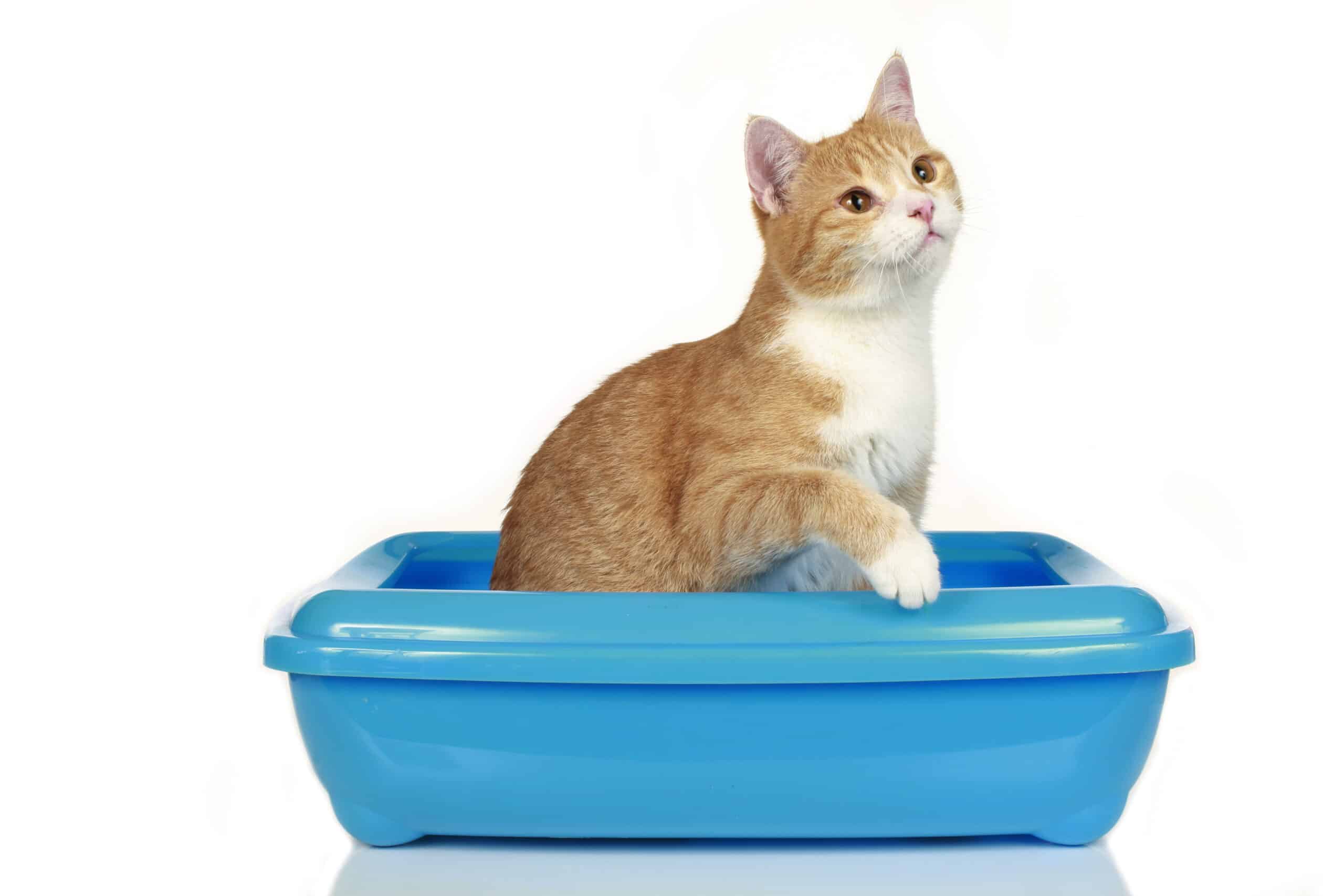
Table of Contents
If you’ve been asking yourself “why is my cat pooping outside the litter box,” you’re not alone — and the answer is almost always fixable. I’ve had cats my whole life, and few things test a cat owner’s patience like finding an unexpected deposit somewhere it absolutely shouldn’t be. The first time one of my cats started going outside the box, my instinct was to assume she was being difficult. She wasn’t. Turned out the litter box was too close to her food bowl — something I’d set up that way without thinking. Moved it across the room, problem solved within a week.
That story matters because it reflects what’s almost always true: when a cat stops using the litter box, she’s communicating something specific. Cats are not spiteful. They don’t poop on your bathmat to punish you. Every case of inappropriate elimination has a reason — and most of them are fixable once you know what you’re looking for.
This post covers behavioral and environmental causes of litter box avoidance. If your cat has suddenly stopped using the litter box and shows other symptoms — lethargy, straining, blood in urine or stool — see a vet before trying any of the fixes below. Medical causes must be ruled out first. If there’s no medical explanation, the rest of this guide walks through every behavioral and environmental reason why is my cat pooping outside the litter box — and what to do about each one.
Start Here: Rule Out a Medical Cause
This is not optional. Before you rearrange litter boxes or switch litters, book a vet visit if the behavior started suddenly or came with any other changes.
Medical conditions that commonly cause litter box avoidance include:
- Urinary tract infection or feline interstitial cystitis — painful urination causes cats to associate the box with discomfort and seek relief elsewhere, often on soft surfaces like rugs or beds
- Constipation or inflammatory bowel disease — a cat who finds defecating painful may avoid the place where she experienced that pain
- Arthritis — especially in senior cats; climbing into a high-sided box or a top-entry box becomes physically difficult or painful
- Kidney disease, diabetes, or hyperthyroidism — these increase urination frequency and urgency, making accidents more likely
- Urinary blockage — a genuine emergency in male cats; straining to urinate with nothing coming out requires immediate veterinary attention
Once your vet has cleared your cat medically, the following behavioral and environmental causes are where to look.
Why Is My Cat Pooping Outside the Litter Box? The 8 Most Common Reasons
1. The box is dirty
This is the single most common cause — and the most overlooked, because owners often don’t realize how clean cats need their box to be. A cat’s sense of smell is roughly 14 times stronger than ours. What seems like a lightly used box to you can smell overwhelmingly foul to her. A dirty box is the first thing to rule out why is my cat pooping outside the litter box.
The fix: Scoop at least once daily, ideally twice. Do a full litter change and wash the box with unscented soap and warm water once a week. Replace the plastic box itself every 12–18 months — micro-scratches in old plastic trap bacteria and odor that no amount of cleaning removes.
2. The location is wrong
Cats need to feel safe while eliminating. A box that’s in a high-traffic hallway, next to a noisy appliance, near a dog’s sleeping area, or tucked in a dark corner with no escape route will be avoided by many cats.
The fix: Move the box to a quieter spot where your cat can see the room and has multiple exit routes. Keep it well away from her food and water — cats are hardwired not to eliminate near their eating area. If you’ve recently moved the box and the problem started around the same time, that’s almost certainly your answer.
3. The box itself is the problem
Most cats dislike covered litter boxes — being enclosed while vulnerable feels unsafe to them. It’s one of the most common box-related reasons why is my cat pooping outside the litter box rather than in it. Top-entry boxes, while tidy for owners, are particularly problematic for seniors, kittens, and any cat with mobility issues.
Box size also matters more than most owners realize. The general rule is that the box should be one and a half times the length of your cat. Most standard commercial boxes are too small for large breeds or big cats.
The fix: Switch to a large, open, uncovered box. A plastic under-bed storage container makes an excellent DIY option — cheap, spacious, and low-sided enough for seniors. If you have a senior cat, low sides are non-negotiable.
4. She doesn’t like the litter
Cats develop strong preferences for litter texture, and those preferences can be surprisingly firm. Research consistently supports fine-grain, unscented clumping clay as the format most cats prefer — it allows the digging and covering behavior they’re hardwired to perform.
Scented litters are designed for your nose, not hers. At nose height in a confined box, synthetic fragrance is overwhelming. Crystal or silica litters are hard-edged and uncomfortable on paw pads. Pellet formats prevent covering behavior.
The fix: If you recently switched litters and the problem started shortly after, switch back. If you want to transition to a new litter, do it gradually — mix a small amount of the new litter in with the old and increase the proportion over two to three weeks. Never switch cold turkey.
5. There aren’t enough boxes
The rule of thumb — one box per cat, plus one extra — exists for good reason. In multi-cat households, one cat can subtly (or not so subtly) guard the box and block access for others. The cat being blocked won’t always fight back. She’ll just find somewhere else.
Even in single-cat households, having boxes on multiple floors of the house matters. A cat who needs to go urgently and has to travel two flights of stairs to reach the box will occasionally not make it.
The fix: Add boxes, distribute them across different floors and rooms, and watch for any signs of inter-cat conflict around elimination areas. If you suspect one cat is intimidating another at the box, placement cameras or fluorescein dye (ask your vet) can help identify the culprit.
6. Stress or household change
Cats are creatures of habit. New pet, new baby, house move, change in your schedule, a new person moving in or out — any significant change can trigger stress-related elimination problems. This is one of the less obvious answers to why is my cat pooping outside the litter box, because the box itself may be perfectly fine. The issue is anxiety expressing itself through the body.
Territorial marking (spraying on vertical surfaces) is a related but distinct behavior that often increases with stress. If your cat is going on horizontal surfaces in volume, that’s inappropriate elimination. If she’s spraying small amounts on vertical surfaces like walls or furniture, that’s marking — a different problem with a different solution.
The fix: Identify the stressor and minimize it where possible. Feliway diffusers (synthetic feline pheromones) have solid evidence behind them for stress-related elimination problems — they won’t fix a dirty box or wrong location, but they genuinely help with anxiety-driven cases. Keep routines as consistent as possible during periods of change.
7. She’s been frightened at the box
A single bad experience can create lasting box aversion. A loud bang, a child running past, another pet ambushing her, or even the box shifting on a slippery floor mid-use can associate the litter box with fear. Once that association forms, it sticks.
The fix: Identify and remove the source of the fright. Move the box to a quieter location if needed. Re-establish positive associations gradually — don’t force her into the box. Play near it. Let her explore it on her own terms. Patience is the tool here, not enforcement.
8. Age-related accessibility issues
Kittens may not have the bladder control to make it to a box that’s far away, or the coordination for top-entry boxes. Senior cats with arthritis may find any box with sides higher than a few inches difficult or painful to use. Age is often the overlooked answer when owners ask why is my cat pooping outside the litter box despite everything seeming fine.
The fix: For kittens, place boxes close to where they spend most of their time and use very low-sided boxes. For seniors, switch to a box with a cut-out entry point — you can modify an existing box with a utility knife — and consider placing an orthopedic mat nearby for comfort.
How to Clean Up Accidents Properly
This matters more than most people realize. Standard household cleaners break down the visual mess but leave behind uric acid — and cats can detect that scent signal far below the threshold humans can smell. If you don’t break down the uric acid, your cat will keep returning to the same spot. This is especially true if you’re still trying to figure out why is my cat pooping outside the litter box — scent traces can make the problem look behavioral when it’s actually cleanup-related.
Use an enzymatic cleaner only. Apply generously, allow 10–15 minutes of contact time, then blot (don’t scrub) dry. For fabric or rugs, multiple applications may be needed. Anything that can go in a washing machine should — cold water, enzymatic pet laundry additive.
Never use ammonia-based cleaners. Urine contains ammonia, and cleaning with it essentially signals to your cat that the area is a toilet.
What Not to Do
If you’re troubleshooting why is my cat pooping outside the litter box, avoid these common owner responses that reliably make the problem worse:
- Rubbing her nose in it — cats do not connect this punishment to the earlier behavior. It just makes her fear you.
- Scolding or shouting after the fact — same issue. The connection isn’t made, and the stress may increase elimination problems.
- Locking her near the box for long periods — confinement without solving the underlying issue doesn’t work and adds stress.
- Removing all other options and hoping she figures it out — this approach produces a more anxious cat, not a better-behaved one.
When to Go Back to the Vet
Return to the vet if:
- The problem hasn’t improved after two weeks of consistent changes
- You notice blood in the stool or urine at any point
- Your cat is straining to eliminate with little or nothing coming out
- The behavior escalated significantly or came back after resolving
Persistent litter box problems that don’t respond to environmental changes sometimes need a behavioral consultation. The ASPCA’s guidance on litter box problems is a solid resource, and a certified applied animal behaviorist can design a specific retraining plan for complicated cases.
The Bottom Line
When you find yourself asking why is my cat pooping outside the litter box, remember: cats don’t avoid litter boxes to be difficult. They avoid them because something about the box, the location, the litter, the household, or their own body isn’t working for them. Work through the causes systematically — medical first, then environmental, then behavioral — and most cases resolve completely.
The most common fixes, in rough order of how often they work: clean the box more frequently, get a bigger or uncovered box, add more boxes, change the litter type, or move the box to a quieter spot. Start there before assuming something is deeply wrong.
For more on understanding your cat’s behavior, see our complete cat behavior guide and our post on how to litter train a kitten.
Michael Burrows has owned cats his entire life and writes about feline health and behavior from personal experience and research. This content is educational and does not replace veterinary advice. Always consult a licensed vet for diagnosis and treatment.