Problems With British Bulldogs: 9 Honest Issues Every Owner Should Know
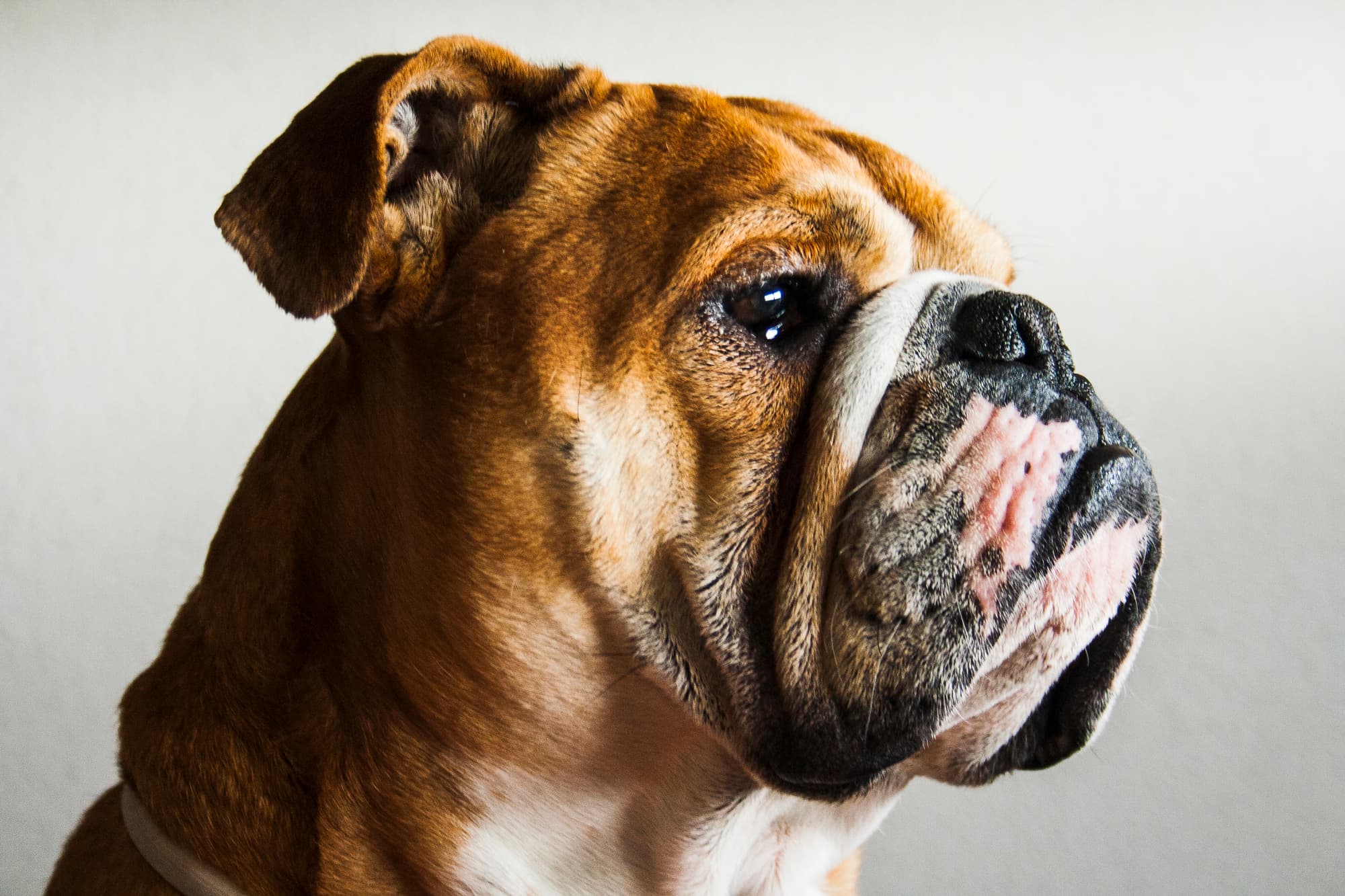
I love Bulldogs. I want to be clear about that before this post gets going, because what I’m about to say will sound harsh to fans of the breed. British Bulldogs are one of the most affectionate, devoted, and genuinely loveable dogs I’ve encountered. They are also one of the most health-compromised breeds in domestic dog ownership, and anyone considering one deserves a complete, honest picture.
Problems with British Bulldogs are well-documented and, in many cases, the direct result of the extreme physical conformation the breed standard has prioritized over the past century. This doesn’t mean you shouldn’t own one. It means you should own one with full knowledge of what you’re signing up for — medically, financially, and practically.
This post covers documented health and behavioral issues common to the British Bulldog breed. It is not a complete guide to Bulldog care. For individual health concerns, always consult a licensed veterinarian.
Problems with British Bulldogs: 9 honest issues
1. Brachycephalic Obstructive Airway Syndrome (BOAS)
This is the most serious and pervasive problem with British Bulldogs. BOAS is a combination of structural abnormalities — narrowed nostrils, elongated soft palate, narrowed trachea — that collectively restrict airflow. The flat-faced appearance that defines the breed is the cause.
In practical terms: many Bulldogs cannot breathe normally. They snore, snort, wheeze, and in warm weather or during exercise, can struggle to get enough oxygen. Heat is particularly dangerous — Bulldogs can overheat and collapse from activity that would barely register for other breeds.
Severity varies significantly between individuals. Some Bulldogs live comfortable lives with mild respiratory compromise. Others require surgical correction of multiple structural abnormalities to breathe adequately.
If you’re buying a Bulldog puppy, ask for parents with BOAS assessment certificates and wide open nostrils. If you’re adopting an adult, have a vet assess their airway status early.
2. Skin fold dermatitis
The deep wrinkles that give Bulldogs their distinctive face require active maintenance. Moisture, bacteria, and yeast accumulate in the folds — around the nose, under the eyes, around the tail pocket — and cause infection and painful inflammation if not kept clean and dry.
Routine fold cleaning (several times weekly at minimum, daily in humid climates) is non-negotiable for Bulldog ownership. Products specifically designed for fold care help; your vet can recommend appropriate options. Neglected fold infections can escalate to severe skin disease that requires veterinary treatment.
3. Hip dysplasia and joint problems
Bulldogs have a characteristic rolling gait caused by their wide, low-slung conformation — and that conformation comes with a high rate of hip dysplasia and other joint abnormalities. Many Bulldogs develop arthritis earlier than other breeds as a result.
This means: appropriate weight management is critically important (excess weight dramatically worsens joint stress), exercise should be low-impact and not extended, and orthopedic supplements (fish oil, glucosamine) are often recommended from relatively early in the dog’s life.
4. Overheating and heat intolerance
Problems with British Bulldogs in warm weather are severe. The compromised airway limits the dog’s ability to cool itself through panting — the primary mechanism dogs use to regulate body temperature. A Bulldog that overheats can die.
Practical implications:
- Never leave a Bulldog in a car, even briefly
- Exercise only in cool parts of the day (early morning, evening) in summer
- Keep indoor temperatures cool — air conditioning is essentially a medical necessity in warm climates
- Watch for early heat stress signs: excessive panting, drooling, gum color change, loss of coordination
5. Eye problems
Bulldogs’ prominent eyes are vulnerable to several conditions: cherry eye (prolapse of the third eyelid gland), entropion (inward-rolling eyelid), corneal ulcers, and dry eye (keratoconjunctivitis sicca). Some of these require surgical correction.
Regular eye checks at home — looking for redness, discharge, or squinting — and annual veterinary eye examinations catch developing problems early.
6. Reproductive difficulties
The vast majority of British Bulldogs cannot reproduce without human assistance. The puppies’ large heads cannot pass through the mother’s narrow birth canal naturally. Almost all Bulldog litters are delivered by planned cesarean section. This is a significant ethical consideration when choosing where to source a Bulldog puppy — it speaks to how far the breed has moved from natural biological function.
7. Sensitivity to anesthesia
The compromised airway that creates breathing difficulties in normal life creates significantly elevated anesthetic risk. Any surgical procedure requiring general anesthesia carries higher risk for Bulldogs than for other breeds. Procedures that would be routine for other dogs — dental cleaning, minor surgeries — require careful pre-surgical assessment and experienced veterinary anesthetic management.
Ensure your vet is experienced with brachycephalic breeds before any procedure.
8. Stubbornness and training challenges
Behavioral problems with British Bulldogs tend to center on their independent, sometimes immovable temperament. Bulldogs are not as driven by pleasing their owners as retriever breeds. If they don’t feel like doing something, they can be remarkably committed to not doing it.
This doesn’t make them untrainable — they respond well to patient, positive-reinforcement-based training and genuinely want to make their owners happy. It means training sessions need to be interesting, rewards need to be meaningful, and force-based approaches are both ineffective and counterproductive with this breed.
9. The financial reality
The combination of health issues listed above translates to veterinary costs that significantly exceed the average for most breeds. A realistic annual veterinary budget for a Bulldog includes routine care, potential dermatology management, possible airway surgery, orthopedic monitoring, and elevated costs for any anesthetic procedures.
Pet insurance is strongly recommended for Bulldogs — specifically policies that cover congenital and hereditary conditions, purchased before any conditions are diagnosed.
For more on dog breed care and health, see our guides on 13 best dog breeds for seniors and best guard dog breeds for first time owners. The AKC’s British Bulldog breed health information and the Bulldog (English Bulldog) are both worth reading before purchasing.
Michael Burrows has owned dogs for over 15 years and writes about dog breeds from personal experience and research. For health concerns, always consult a licensed veterinarian.