Yorkie Behavior Problems: 7 Real Issues and How to Fix Each One
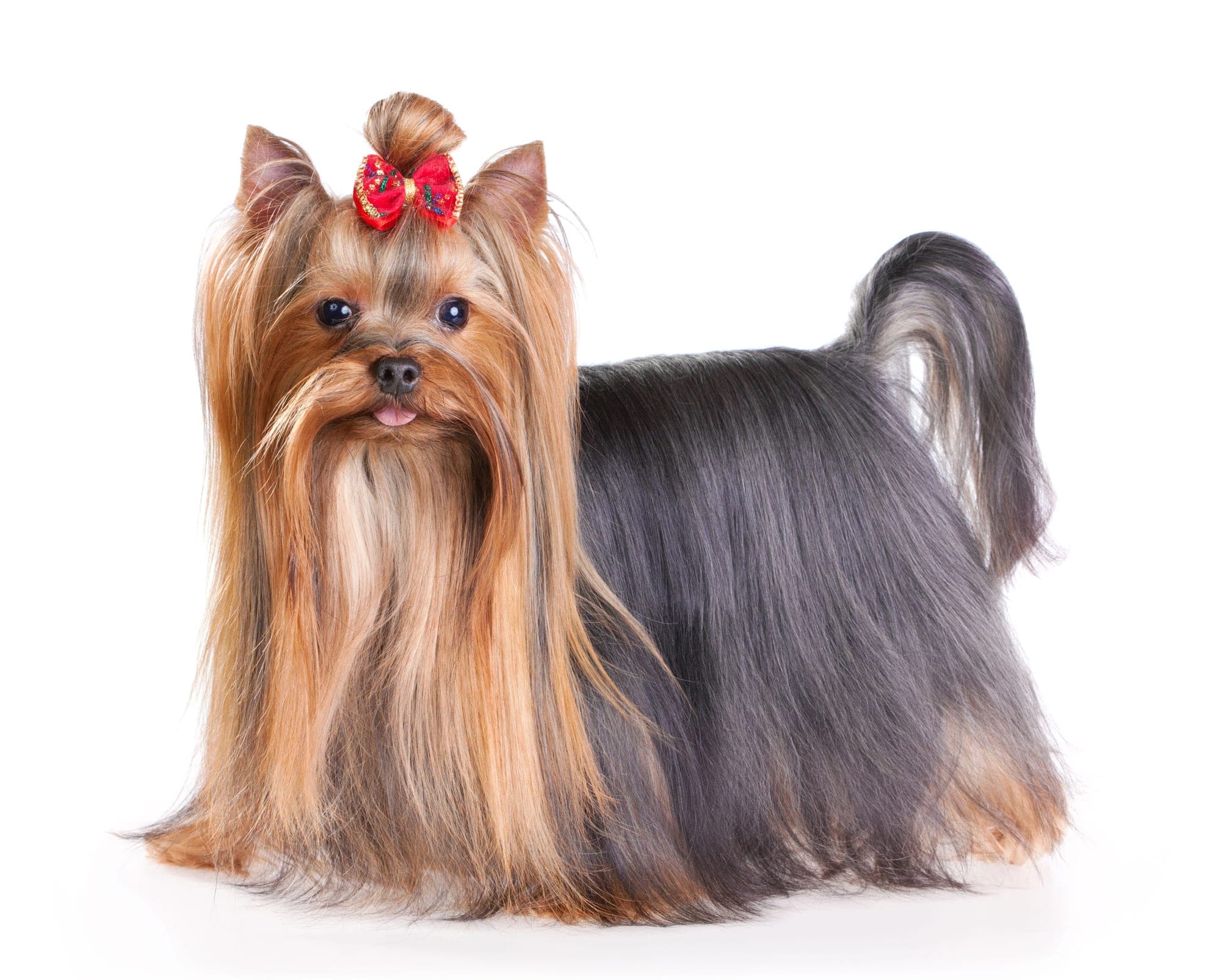
Yorkshire Terriers are one of those breeds where the personality is inversely proportional to the size. Yorkies are small dogs with large, confident, sometimes stubborn personalities — and behavior problems that catch owners off guard because nobody expects a 5-pound dog to be quite so determined.
Yorkie behavior problems are common, well-documented, and very fixable — once you understand what’s driving them. The mistake most Yorkie owners make is treating a terrier like a lap dog. Yorkies were bred to hunt rats in industrial mills. The prey drive, tenacity, and independence that made them excellent at that job don’t disappear because they now live in an apartment.
This guide covers typical Yorkie behavior issues. For aggression that involves biting humans or other animals, consult a certified professional dog trainer or veterinary behaviorist.
Yorkie behavior problems: 7 common issues and proven fixes
1. Excessive barking
What’s driving it: Yorkies are alert dogs with a big-dog bark. They were bred to be vocal — both to locate prey and to alert their handler. Every movement, sound, visitor, and passing dog triggers the alert response.
What actually works:
- Teach “quiet” as a trained behavior, not just suppression — reward the silence, not just the stopping
- Desensitize to common triggers: doorbell recordings, people walking past, at low intensity paired with treats
- Ensure adequate exercise and mental stimulation — bored Yorkies bark more
- Avoid rewarding barking with attention, even negative attention
2. Separation anxiety
What’s driving it: Yorkies form intensely close bonds with their owners. Their small size and companion-dog history means they were bred to be with people. Extended time alone is genuinely distressing for many Yorkies, not just inconvenient.
What actually works:
- Build alone time gradually from puppyhood — crate training helps enormously
- Practice departure desensitization (put on shoes, sit back down; pick up keys, watch TV)
- Provide high-value enrichment for alone time — food-stuffed Kongs, puzzle feeders
- Avoid dramatic departures and arrivals
- For severe cases, consult your vet — medication combined with behavioral modification is significantly more effective than behavioral modification alone for severe anxiety
3. Stubbornness and selective listening
What’s driving it: Terrier independence. Yorkies evaluate whether compliance is worth their while. If the reward isn’t good enough, or if the training isn’t interesting enough, they simply opt out.
What actually works:
- Use high-value rewards — plain kibble rarely motivates a Yorkie; small pieces of chicken, cheese, or commercial training treats do
- Keep training sessions short and varied (3–5 minutes) — Yorkies bore of repetition fast
- Train before meals when the dog is motivated by food, not after
- Be consistent with rules — Yorkies exploit inconsistency efficiently
4. Resource guarding
What’s driving it: Terrier possessiveness, often amplified by small-dog syndrome where owners allow behaviors in small dogs they’d never allow in large ones. A Yorkie guarding their toy or bed isn’t behaving any differently than a larger dog would — it’s just easier to excuse.
What actually works:
- Counterconditioning: approach the guarded item and drop a high-value treat, walk away. Repeat until approach predicts something better
- “Trade” game: offer a treat in exchange for the guarded item, return the item after. The dog learns that your approach near their things predicts good outcomes
- Never force the item away — it escalates guarding behavior
- Don’t make exceptions for guarding because the dog is small
5. Housetraining difficulties
What’s driving it: Small dogs have small bladders with shorter capacity. Yorkies also tend to be independent thinkers who find indoor relieving acceptable unless given very consistent outdoor reinforcement.
What actually works:
- Take outside more frequently than you think necessary — every 1–2 hours for puppies, every 3–4 hours for adults
- Reward outdoor toileting immediately and enthusiastically every single time
- Supervise closely indoors — leash the puppy to you if necessary to prevent sneaking off
- Clean indoor accidents with enzymatic cleaner (not ammonia-based)
- Be patient: Yorkies are notoriously slower to fully housetrain than many breeds — up to 6 months is not unusual
6. Reactivity toward other dogs
What’s driving it: Many Yorkies display reactive behavior toward other dogs — lunging, barking, and general big-attitude response — that’s disproportionate to their size and bewildering to owners. This is partly terrier nature (independent, tenacious, not naturally deferential) and partly the result of insufficient dog-dog socialization during the critical window.
What actually works:
- Keep distance from triggers and reward calm behavior at threshold
- Systematic counter-conditioning: other dog at distance = treats appear; build positive associations
- Avoid dog parks for reactive Yorkies — the uncontrolled environment is counterproductive
- Work with a trainer experienced in reactive small dogs — approaches that work for large dogs don’t always translate
7. Small dog syndrome — enabled behavior
What’s driving it: This isn’t the dog’s fault. Small dogs are frequently allowed to exhibit behaviors their owners would never tolerate in a larger dog — jumping on people, snapping, guarding, pulling on leash. Because the behavior feels less threatening from a 7-pound dog, it gets reinforced rather than corrected. The dog doesn’t know it’s small.
What actually works:
- Apply the same rules to your Yorkie that you would apply to a 60-pound dog
- A Yorkie that snaps, jumps on guests, or guards aggressively needs the same behavioral intervention as any other dog
- Consistent, fair rules produce well-adjusted Yorkies — permissiveness toward small-dog behavior produces the exact issues you’re trying to fix
For more on Yorkie behavior, see our guide on Yorkies and separation anxiety and our dog body language guide. The AKC’s Yorkshire Terrier breed page has thorough breed-specific information.
Michael Burrows has owned dogs for over 15 years and writes about dog breeds and behavior from personal experience and research. For serious aggression, consult a professional.