Why Is My Cat Meowing So Much All of a Sudden? 8 Real Causes Explained
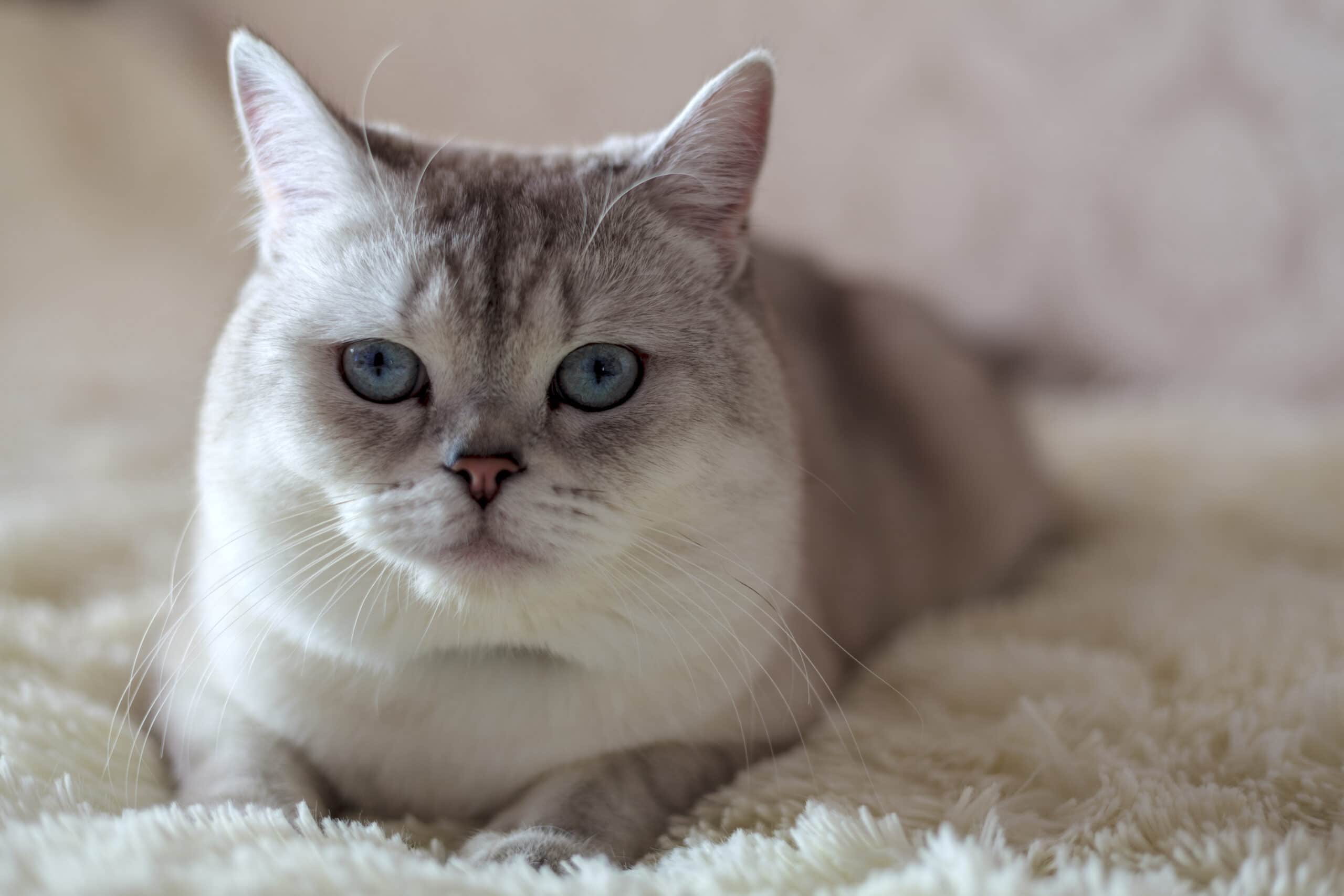
One of my cats went from relatively quiet to meowing constantly over the course of about two weeks. No obvious changes in routine, no new pets, nothing I could point to. Turned out to be hyperthyroidism — a condition I wouldn’t have connected to vocalization without a vet’s input. Blood test, medication, and within a month the cat was back to her normal, mostly silent self.
I share that because why is my cat meowing so much all of a sudden is a question that sounds behavioral but often isn’t. The sudden part is the key signal. Gradual increases in vocalization can be personality or environment. Sudden increases deserve a closer look.
Sudden excessive meowing — especially in a previously quiet cat, or in a senior cat — should be evaluated by a veterinarian to rule out medical causes before assuming it’s behavioral.
Why “all of a sudden” matters when your cat is meowing so much
Why is my cat meowing so much all of a sudden is a meaningfully different question from “why does my cat meow a lot.” The suddenness narrows the cause list considerably.
Cats are creatures of habit. When a cat’s vocalization pattern changes abruptly, without an obvious environmental trigger, the first question should be medical — not behavioral. This is especially true for cats over 7 years old.
8 real reasons your cat is meowing so much all of a sudden
1. Hyperthyroidism — the most missed cause in senior cats
Hyperthyroidism is one of the most common diseases in cats over 10, and increased vocalization is one of its primary symptoms. The overactive thyroid gland accelerates metabolism, causing restlessness, anxiety, increased appetite, weight loss despite eating well, and excessive meowing — often at night.
If your senior cat has suddenly become much more vocal, particularly at night, alongside other changes (eating more but losing weight, restlessness, vomiting), hyperthyroidism should be at the top of the list. A simple blood test confirms or rules it out, and treatment with medication or radioactive iodine is highly effective.
2. Pain or physical discomfort
Cats in pain vocalize. Unlike dogs, who may whine or yelp, cats often respond to pain with persistent meowing, particularly at night or when moved or touched in a specific area. Dental disease, arthritis, urinary tract infections, and gastrointestinal problems are among the most common pain causes in cats.
A cat that is suddenly more vocal and seems reluctant to move, eat, or be touched in certain areas should see a vet promptly. Pain-related vocalization often has an urgent, low-pitched quality distinct from normal meowing.
3. Cognitive dysfunction syndrome (feline dementia)
Cats over 10 can develop cognitive dysfunction syndrome — the feline equivalent of dementia. Disorientation, confusion, disrupted sleep cycles, and excessive vocalization — particularly yowling at night in rooms the cat used to navigate easily — are classic signs.
The nighttime yowling of cognitive dysfunction has a distinct quality: it often sounds distressed, confused, and unprompted. The cat may meow facing a wall, or in the middle of the night in a room it’s been in a thousand times.
There is no cure, but management strategies — nightlights for orientation, consistent routine, calming supplements — can improve quality of life significantly.
4. Hearing or vision loss
Cats that lose hearing or sight meow more — often because they’ve lost the ability to orient themselves using those senses and become anxious in spaces they can’t fully perceive. A cat that meows loudly when you enter a room may simply not have heard you coming.
Hearing loss in cats is more common than most owners realize, and it often goes undiagnosed because cats compensate well. If your cat startles easily and meows persistently, a vet check on their senses is worthwhile.
5. Heat cycles in unspayed females
An unspayed female cat in heat will meow loudly, persistently, and urgently — this vocalization is specifically designed to attract male cats and is one of the more unmistakable sounds a cat can make. If your cat is unspayed, cycles occur every 2–3 weeks during breeding season and produce exactly the “sudden excessive meowing” pattern owners describe.
The solution is spaying. Beyond eliminating heat cycles and the associated vocalization, spaying eliminates the risk of pyometra, significantly reduces mammary cancer risk, and contributes to a longer healthspan.
6. Stress and environmental change
Cats are highly sensitive to environmental change. A new pet, a new baby, a house move, a change in the owner’s schedule, new furniture, renovations, a different brand of litter — any of these can trigger stress-related vocalization.
Stress meowing typically increases for a week or two after the change and gradually decreases as the cat adjusts. It can be accompanied by other stress behaviors: hiding more, grooming more or less than usual, litter box avoidance.
If you can identify a recent change that coincides with the increased meowing, the approach is environmental management — giving the cat more predictability, safe retreat spaces, and pheromone support like Feliway diffusers.
7. Hunger or demand vocalization
Some cats are naturally more vocal about food than others — and some learn through reinforcement that meowing produces results. If feeding the meowing cat even once establishes that it works, the behavior escalates.
The management: stop responding to meowing with food entirely. Feed on a strict schedule. Only put food down when the cat is quiet. This takes 1–2 weeks of consistency to retrain.
Automatic feeders that dispense on a schedule — not triggered by meowing — help break the demand pattern by removing the cat’s ability to connect its vocalization to being fed.
8. Loneliness or under-stimulation
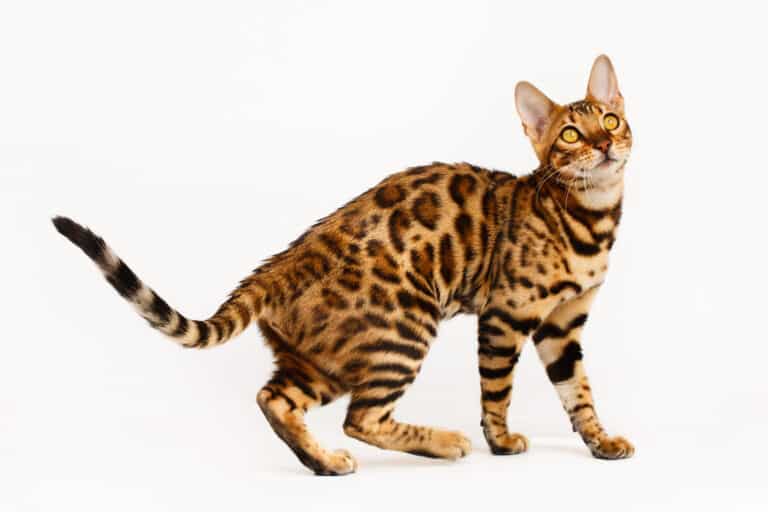
Cats are often characterized as independent and low-maintenance. Many aren’t, particularly breeds like Siamese, Burmese, and Bengal that are naturally high-social. A cat that is home alone for long hours and under-stimulated may develop demand-meowing as its primary method of getting attention.
Enrichment — puzzle feeders, window perches, interactive toys, scheduled play sessions — addresses the underlying need. A second cat, if the resident cat is social, is often the most effective solution for chronically lonely cats.
Why is my cat meowing so much at night specifically?
Nighttime meowing has a slightly different differential list:
- Cognitive dysfunction — disorientation peaks at night when visual cues are reduced
- Hyperthyroidism — anxiety and restlessness are worse at night
- Hunger — cats are crepuscular and peak activity at dawn and dusk means hunger is also highest then
- Heat cycles — breeding behavior intensifies at night
- Hearing loss — cats without hearing guidance feel less secure in the dark
A late evening play session and meal (the hunt-catch-eat sequence) before bed significantly reduces nighttime vocalization in cats that are vocalizing from energy or hunger.
When to go to the vet
See a vet if:
- The excessive meowing started suddenly with no obvious environmental trigger
- Your cat is over 7 and has recently become more vocal
- The meowing is accompanied by weight loss, increased appetite, or increased thirst
- Your cat seems confused, disoriented, or is meowing at walls or in the dark
- There is any sign of pain — reluctance to move, sensitivity to touch, hunched posture
The bottom line
Why is my cat meowing so much all of a sudden is a question worth taking seriously. Behavioral causes are common, but medical causes are more common than most owners expect — particularly in cats over 7. Rule out the medical first, then address the behavioral.
For more on cat health and behavior, see our complete cat behavior guide and our post on why cats keep running away. Cornell Feline Health Center’s resources on feline hyperthyroidism and feline cognitive dysfunction are also excellent further reading.
Michael Burrows has owned cats his entire life and writes about feline health and behavior from personal experience and research. This content is educational — always consult a vet for sudden behavioral changes.