Why Is My Cat Sneezing So Much All of a Sudden? 7 Causes + When to Worry
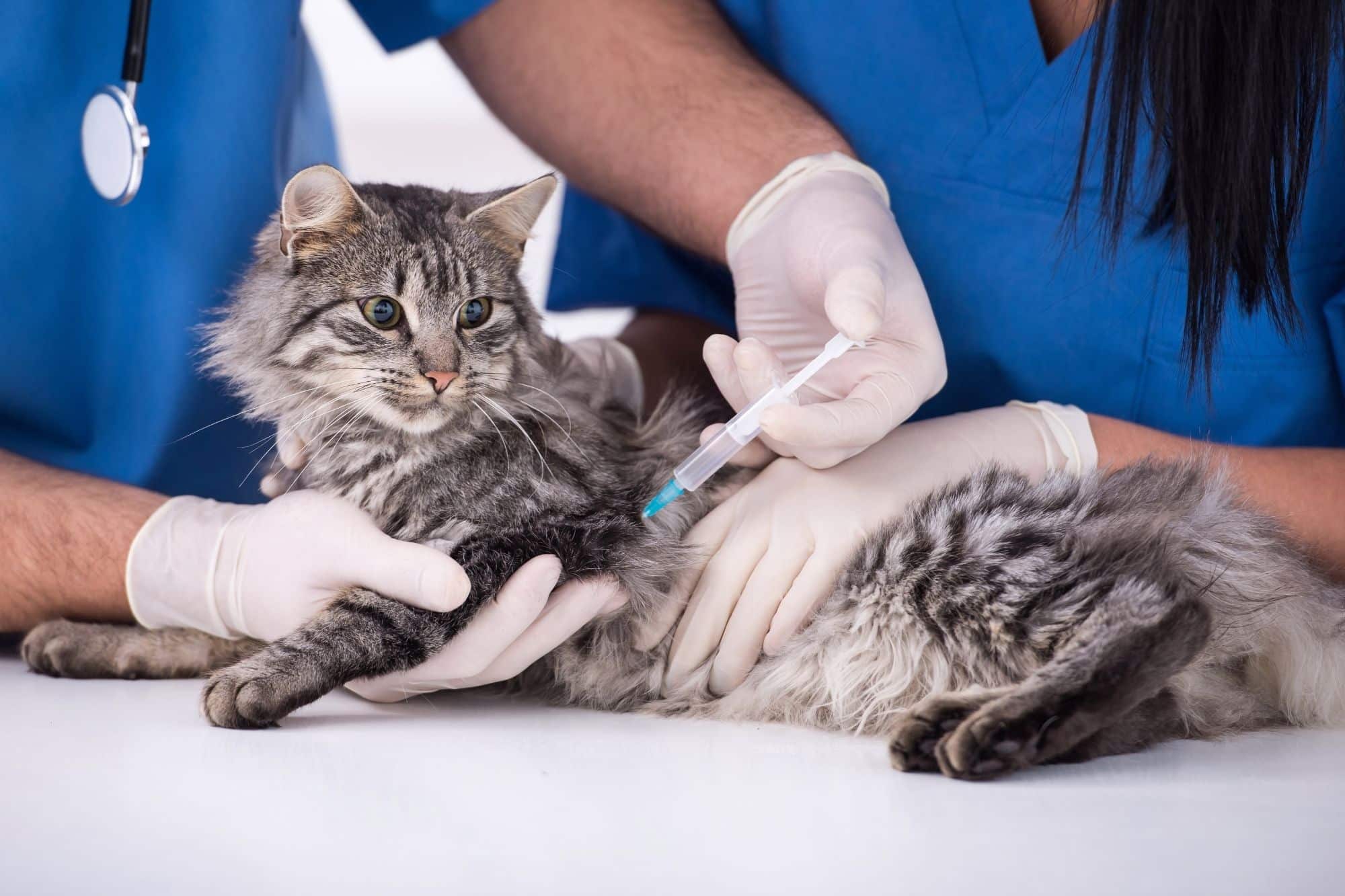
Table of Contents
One of my cats — a stubborn tabby named Rosie — went through a sneezing phase a few years back that had me genuinely worried. A sneeze here and there I could ignore. But when she started sneezing in clusters five or six times in a row, nose slightly runny, I wanted answers fast. Turned out to be a mild upper respiratory infection, cleared up in ten days with antibiotics. But those few days of uncertainty before the vet visit? Not fun.
If you’re here asking “why is my cat sneezing so much all of a sudden,” you’re probably in that same window — concerned but not sure whether this warrants a vet visit or just some patience. This post covers both questions: what’s actually causing the sneezing, and when it crosses the line from normal to something that needs attention.
This post is for educational purposes only and does not replace veterinary advice. If your cat is sneezing persistently or showing other symptoms, consult your vet.
Is it normal for a cat to sneeze?
Many pet owners searching for answers to Why Is My Cat Sneezing So Much All of a Sudden? are relieved to learn that occasional sneezing is normal, although frequent sneezing can indicate an underlying issue. A sneeze is simply a reflex: the body’s way of clearing irritants from the nasal passage. Dust, a strong smell, a bit of litter — any of these can trigger a perfectly healthy sneeze.
The question isn’t whether sneezing is normal. It’s whether this much sneezing, or sneezing with these other symptoms, is normal. That’s where the distinction matters.
A single sneeze, or a brief sneezing fit that stops on its own and doesn’t repeat? Not a concern. Frequent sneezing that keeps coming back over hours or days, especially alongside other changes in your cat’s behavior? Worth investigating.
What causes cats to sneeze suddenly?
Understanding the possible causes is the first step in answering the question, Why Is My Cat Sneezing So Much All of a Sudden? Here are the most common causes, roughly in order of how often they’re the actual culprit:
1. Upper respiratory infection (the most common cause)
In fact, when owners ask vets, Why Is My Cat Sneezing So Much All of a Sudden?, upper respiratory infections are often the first condition considered. If your cat has gone from fine to sneezing repeatedly over a day or two, a respiratory infection is the most likely explanation. These are sometimes called “cat flu,” and they’re caused by one of two main viruses: Feline Herpesvirus (FHV) or Feline Calicivirus (FCV).
Signs it’s likely an infection:
- Sneezing started suddenly and keeps coming back
- Discharge from the nose or eyes (clear initially, may turn yellow or green)
- Reduced appetite or energy
- Slight fever or lethargy
Cats can also develop secondary bacterial infections on top of a viral one, which is what turns clear discharge green or yellow. Both are treatable — but they do need a vet visit, not just watchful waiting.
2. Environmental irritants
If you’ve recently changed litter, used a new cleaning spray, or introduced scented products into your home, these factors may explain Why Is My Cat Sneezing So Much All of a Sudden? This is the other big one, and it’s easily overlooked. Strong smells and airborne particles are common triggers — and the fix is often as simple as identifying and removing the source.
Common irritants that cause sneezing in cats:
- Scented candles or air fresheners
- Cigarette or vape smoke
- Certain cleaning products, especially sprays used near where the cat sleeps
- Dusty cat litter (clumping litters vary significantly in dust levels)
- Perfume or heavily scented laundry detergent on bedding
- Pollen during high-allergen seasons
One way to tell if it’s an irritant rather than an infection: look for a pattern. Does the sneezing happen in one room but not others? At certain times of day? After you clean or light a candle? Consistent patterns point to an environmental cause. Random or constant sneezing points more toward infection.
3. Allergies
Cats can develop environmental allergies, though this is less common than in dogs. Dust mites, mold, and pollen are typical culprits. Allergy-related sneezing tends to be seasonal or tied to specific environments, and rarely comes with the fever or lethargy you’d see with an infection.
Food allergies are a less common cause of sneezing but worth mentioning — some cats react to certain proteins with mild respiratory symptoms alongside digestive ones.
4. Dental disease
This surprises most cat owners, but it’s real: tooth root infections, particularly of the upper teeth, sit very close to the nasal passages. An infected root can cause irritation that presents as sneezing, sometimes with nasal discharge on one side. If your cat’s sneezing is accompanied by bad breath, drooling, or pawing at the face, dental disease is worth raising with your vet.
5. Foreign body in the nose
A blade of grass, a seed, or a small piece of debris can get lodged in a cat’s nasal passage and trigger intense, repeated sneezing — often suddenly and severely. If your cat was outside recently and starts sneezing urgently and can’t seem to stop, this is worth considering. A vet can check for and remove foreign objects safely.
6. Fungal infection
Less common, but worth knowing about. Fungal infections like Cryptococcus can affect a cat’s nasal passages and cause chronic sneezing, often with unusual discharge or facial swelling. These need specific antifungal treatment, not standard antibiotics.
7. Nasal polyps or tumors
In older cats, persistent sneezing that doesn’t respond to treatment and comes with bloody discharge or visible facial asymmetry can occasionally indicate nasal polyps or, rarely, tumors. This is the least common cause but the most serious — which is why chronic, unexplained sneezing in senior cats always warrants a vet visit.
Because there are several possible explanations for Why Is My Cat Sneezing So Much All of a Sudden?, it’s important to look at other symptoms and patterns rather than focusing on the sneezing alone.
How to tell what’s causing the sneezing
Before you call your vet, spend a few minutes observing and noting:
Timing and pattern — Does it happen at certain times of day, in certain rooms, or after specific events (cleaning, coming indoors)?
What the discharge looks like — Clear means mild irritation or early infection. Yellow or green means bacterial involvement. Blood means call your vet today.
Other symptoms — Is your cat eating normally? Playing? Or is there lethargy, coughing, eye discharge, or reduced appetite alongside the sneezing?
How long it’s been going on — A day of sneezing after you used a new cleaning product is different from four days of progressive sneezing with discharge.
That information will also help your vet narrow things down faster if you do need an appointment.
If you’re still asking yourself, Why Is My Cat Sneezing So Much All of a Sudden?, the duration of the symptoms and the presence of discharge, lethargy, or appetite changes can provide important clues.
When to take a sneezing cat to the vet
Take your cat to the vet if any of the following apply:
- Sneezing has continued for more than 2–3 days without improving
- There is yellow, green, or bloody nasal discharge
- Your cat is lethargic, not eating, or seems unwell in other ways
- The sneezing started very suddenly and intensely (possible foreign body)
- Your cat is very young, elderly, or immunocompromised
- One side of the face appears swollen or asymmetrical
- Sneezing is accompanied by difficulty breathing or open-mouth breathing
Don’t wait on the last two — those are same-day situations.
What to do at home while you wait
If the sneezing is mild and your cat otherwise seems fine, a few things can help in the short term:
- Remove obvious irritants — swap dusty litter for a low-dust variety, avoid aerosol sprays, air out rooms where cleaning products were used
- Keep the environment humid — dry air irritates nasal passages; a humidifier near your cat’s sleeping area can ease mild congestion
- Warm up wet food slightly — cats with congestion sometimes lose interest in food because they can’t smell it well; a slightly warmed meal is more appealing
- Wipe discharge gently — use a soft damp cloth to keep the nose and eyes clear and comfortable; don’t let discharge crust over
Do not give your cat any human cold or allergy medications. Many are toxic to cats, including common antihistamines at certain doses. If you think medication might help, ask your vet first.
What your vet will likely do
If you bring in a sneezing cat, your vet will typically:
- Check the nose, throat, and eyes for discharge or blockages
- Check the teeth, particularly the upper molars, for signs of dental disease
- Take the cat’s temperature
- Ask about vaccination history (FHV and FCV are both preventable with the standard FVRCP vaccine)
- In persistent or unusual cases, take a nasal swab for culture, or recommend X-rays to check the sinuses
Treatment depends on the cause — antiviral supportives for herpesvirus, antibiotics for bacterial infections, antifungals for fungal issues, and extraction or root canal for dental-related sneezing. Most cases resolve well with the right treatment.
One thing most cat owners don’t realize
Feline Herpesvirus is lifelong. Once a cat is infected, the virus stays dormant in the body and can reactivate during stressful periods — a new pet in the house, a vet visit, a move, even a change in routine. This means a cat that had a respiratory infection as a kitten may have occasional sneezing flare-ups for the rest of its life. It’s manageable, and it doesn’t mean your cat is constantly sick — it just means stress reduction and good general health maintenance matter more for these cats.
If your cat has a history of respiratory infections and sneezes periodically without other symptoms, that’s likely what you’re dealing with.
The bottom line
If you’ve been wondering, Why Is My Cat Sneezing So Much All of a Sudden?, the good news is that most cases are not emergencies. An occasional sneeze or a brief sneezing fit with no other symptoms is almost always harmless. But sneezing that persists, escalates, or comes with discharge, lethargy, or appetite changes is your cat’s way of telling you something is off — and it deserves a proper look.
When in doubt, call your vet. A quick phone consultation can usually tell you whether this is a “watch and wait” situation or one that needs an appointment.
For more on cat health and behavior, see our complete cat behavior guide.
While the answer to Why Is My Cat Sneezing So Much All of a Sudden? is often something minor such as irritation or a mild infection, persistent or worsening symptoms should always be evaluated by a veterinarian.
Michael Burrows has owned cats his entire life and writes about feline health and behavior based on personal experience and research. This content is for educational purposes only — always consult a licensed veterinarian for diagnosis and treatment of your pet’s health concerns. For professional guidance on cat health, the Cornell Feline Health Center is an excellent resource.